The Tamesis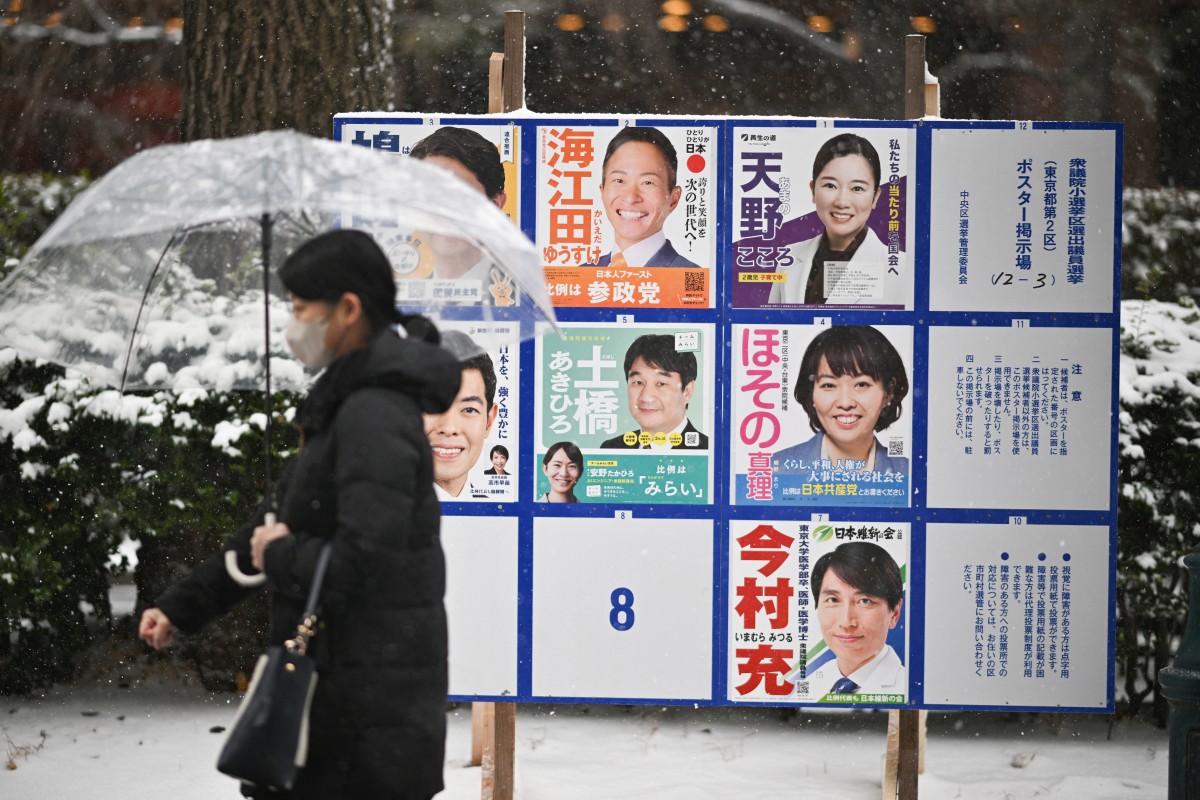
February 11, 2026
Tokyo – In recent years, it has become common for people to consult social media for information when deciding who to vote for. Since 2024, dubbed Japan’s “social media election year,” these services have been recognized as having the power to influence election results.
In the Tokyo governor election in July 2024, Shinji Ishimaru, who ran without the support of a political party, used social media to obtain approximately 1.66 million votes, eventually finishing second. In the House of Representatives election in October of that year, the National Democratic Party led by Yuichiro Tamaki used similar strategies to achieve a major victory. During that November’s election for governor of Hyogo Prefecture, video clips circulating online, some of which contained unverified information, are believed to have helped lead to the re-election of Governor Motohiko Saito.
Social media also plays a role in key electoral issues during the 2025 summer Senate elections.
The Sansei Party, which operates under the slogan “Japan First,” has successfully stoked debate over foreign policy by capturing the dissatisfaction and anxieties of those dissatisfied with Japan’s growing foreign population, with enthusiastic supporters spreading video clips on social media. According to an analysis by the Yomiuri Shimbun, the official videos of the three provinces parties received more views than any other party, leading to a significant increase in its number of seats in the upper house.
On social media, there are always users posting extreme statements or unsubstantiated information to increase viewership and make money. False and misleading information generated by artificial intelligence is expected to increase further in the future.
Professor Shinichi Yamaguchi of the Global Communication Center at Japan International University said: “Slanderous, defamatory and emotive content can easily spread on social media, so it is not a good place for in-depth political discussions. We must be aware that relying solely on social media for information carries inherent risks.”