The Tamesis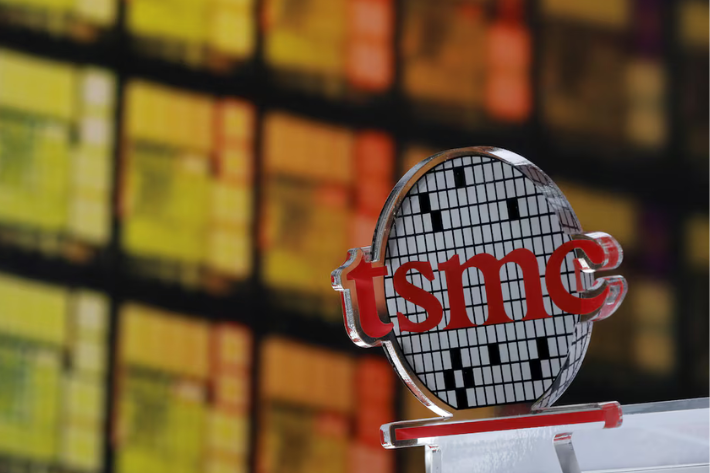
Taiwan’s Deputy Prime Minister Cheng Li-qun rejected U.S. demands to transfer 40% of Taiwan’s chip production capacity to the United States and reiterated that Taiwan’s most advanced semiconductor technology will remain on the island.
In an interview with CNBCU.S. Commerce Secretary Howard Lutnick said his goal is to bring 40% of Taiwan’s entire chip supply chain and production to the United States. If that doesn’t happen, he said, tariffs on Taiwan could rise to 100%.
According to Taiwan’s national news agency “Focus Taiwan”, Cheng said in an interview with Taiwan’s China Television, “I told the United States very clearly – this is impossible.”
Also Watch AF: TSMC says second $17 billion factory in Japan will produce 3nm chips
Taiwan’s chief tariff negotiator, Cheng, said in an interview that Taiwan’s dominance in advanced chip production is the result of “an ecosystem that has developed over decades.” It cannot be “transferred” to the United States, she said. According to the Financial Times.
Taiwan is home to TSMC, the world’s largest contract chip manufacturer, producing approximately 90% of cutting-edge (<3nm) chips. "I told the U.S. side that we cannot allocate production capacity, but we can expand our presence in the U.S.," Cheng said. Zheng’s remarks come from Taiwan One step closer to final agreement in a Trade deal with the United States. Once approved, U.S. export tariffs to the island will be cut from 20% to 15%. According to “Taiwan Focus”, in return, Taiwanese companies will invest US$250 billion in the United States, and the Taiwanese government will provide an equal amount of credit guarantees to promote their investments.
The deal comes after months of negotiations and repeated requests from U.S. officials to move significant chip production capacity to the United States.
In September, Lutnick told U.S. television network NewsNation that Washington’s chipmaking proposal to Taiwan would be a 50-50 split — an offer that Taiwan rejected the idea then.
Last week, Lutnick again said the government needed to bring semiconductors to the U.S.
“You can’t do all your semiconductor manufacturing 80 miles from China,” he said in an event. “It’s completely illogical…so we need to bring it back.”
“My goal for this administration when we leave office is to capture 40 percent market share in cutting-edge semiconductor manufacturing.”
Advanced chip technology will not leave Taiwan
Cheng also seemed to reject this suggestion. She emphasized in the interview that the most advanced chip manufacturing will remain in Taiwan and will not be transferred to other countries.
“This needs to be done in Taiwan, where there is a complete ecosystem for continued research and development,” Cheng said, adding that Taiwan’s technology parks would also not be relocated.
But Zheng said Taiwan is willing to share its experience in building industrial clusters and help the United States build a similar environment.
Cheng said the investment Taiwan committed to in the agreement was an example of the “Taiwan model.” The United States will have to work with Taiwan to use this model to build supply chains, she said.
Cheng said Taiwanese chipmakers “will rationally expand investments in other countries only after setting up factories in Taiwan and confirming that mass production is possible.”
Domestic chips are still a priority
The deputy prime minister also reiterated that expansion in other countries will not come at the expense of Taiwan’s chip manufacturing dominance.
She said the most advanced research and manufacturing processes will be conducted “first in Taiwan.”
She also expressed confidence that Taiwan’s semiconductor capacity – including existing, under construction and planned projects in advanced manufacturing, advanced packaging and the broader supply chain – will far exceed its investment in the United States or any other country.
Mr. Zheng’s statement is consistent with Taipei’s previous commitments Maintain the island’s dominant position in the chip supply chain. This commitment is particularly important to the people of Taiwan, Who sees the chip industry as a “shield” to counter military threats from China, as Beijing considers the democratically governed island its own territory.
“Our overall capacity (in Taiwan) will only continue to grow,” Cheng said in an interview on Sunday.
“Our international expansion, including increased investment in the United States, is based on the premise that we remain firmly rooted in Taiwan and continue to expand inward investment.”
- Vishakha Saxena, Reuters
Also read:
Chips and AI take center stage in Taiwan’s ‘win-win’ US tariff deal
Trump says he would be very unhappy if Xi Jinping takes action against Taiwan
Trump’s attack on Venezuela ‘could strengthen China’s territorial claims’
Some Chinese warships remain alert after large-scale drills, Taiwan on alert
U.S. delays new chip tariffs on China to preserve peace
TSMC, South Korean companies “can send chip manufacturing tools to Chinese factories”
Trump says he will impose high tariffs on China if it occupies Taiwan
Taiwan may train U.S. chip manufacturing workers under tariff deal
Taiwan rejects U.S.-driven 50-50 chip production deal
TSMC $100 billion US deal: Taiwan says it won’t share top chip technology
TSMC to cut off supply of its advanced chips to all Chinese AI customers
War risks in China lead Taiwan Semiconductor Manufacturing Co., Ltd. to move wafer fabs to the United States and Japan
Taiwan invasion ‘could cost up to $1 trillion a year’