The Tamesis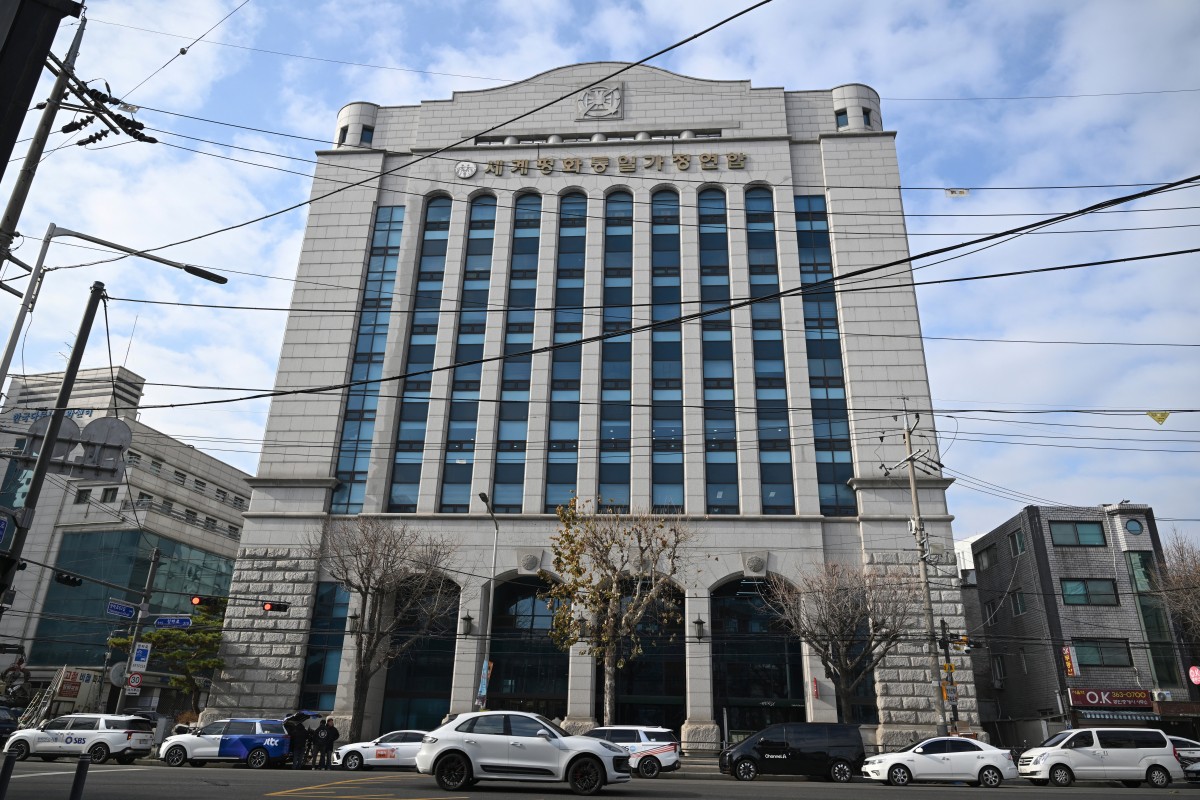
kathmandu – Public interest in the Unification Church’s ties to Nepal has intensified following the release of a series of investigative reports last week. The reports highlight alleged links between South Korean religious movements and senior Nepali politicians, sparking a broader debate about foreign influence on domestic politics.
Confidential documents obtained by South Korea’s investigative journalism center NewsTapa revealed the connection to Nepal. The documents were analyzed and published by Duniya.org, while reports appeared on Onlinekhabar.com, Himalkhabar.com and Nepal Times. The investigation, dubbed the Real Mother Report, claimed there were close links between the church and several prominent Nepali politicians.
Those named include Nepal Pariwar Dal chairman Eknath Dhakal and former prime ministers KP Sharma Oli, Madhav Kumar Nepal and Baburam Bhattarai. According to reports, Dhaka maintains regular communication with senior figures in the Unification Church and seeks political support through alliances with major political parties, especially the Communist Party of Nepal-United Marxist-Leninist Party. A leaked letter dated Nov. 30, 2017 cited in the investigation also said Dhakal demanded money from church officials.
Dhaka has denied wrongdoing and said there had been attempts to defame him by linking his political collaboration with the Unified Marxist-Leninist Party to the Unification Church. However, documents cited by NewsTapa show that Dhaka briefed church leaders on UML’s electoral prospects during the 2017 elections and discussed his place on the party’s proportional representation list.
The investigation further claimed that the church’s ambitions in Nepal go beyond electoral politics. According to the documents, the long-term goal is to influence lawmakers and push for a constitution consistent with the concept of “One Kingdom in Heaven,” a theological vision the church describes as “a state of universal peace and unity.”
The Unification Church was founded in 1954 by South Korean citizen Moon Sun-myung. After Moon’s death, leadership was handed over to his 82-year-old wife, Hak Ja Han, who calls herself “God’s only daughter.” She is known for organizing mass weddings and expanding the church’s global reach under the banner of religion, world peace and family values.
Over the decades, the church’s influence has expanded far beyond religious activities, building interests in politics, real estate, media, education and the luxury goods industry. it owns washington times American Newspaper, The New Yorker Hotel in Manhattan, Yongpyeong Ski Resort in Pyeongchang, host of the 2018 Winter Olympics, and Cheongshim International Academy in Gapyeong.
In February 2020, South Korea organized a large-scale international conference in Ilsan, South Korea, to commemorate the 100th anniversary of Moon Sun-myung’s birth. Despite the Covid-19 pandemic, more than 7,000 participants from more than 100 countries attended, including former United Nations Secretary-General Ban Ki-moon and several former heads of state.
The event also celebrated Ms. Han’s 77th birthday and 60th wedding anniversary. The church has invested heavily in infrastructure in South Korea, including a luxury complex in Gapyeong and the Cheonwon Palace near Seoul, which reportedly cost more than $600 million to build.
The church and its leadership now face increasing legal and political challenges. Han is under investigation in South Korea on suspicion of bribery and lobbying. In Japan, a court revoked the organization’s status as a religious group, which will result in a loss of tax revenue and other benefits.
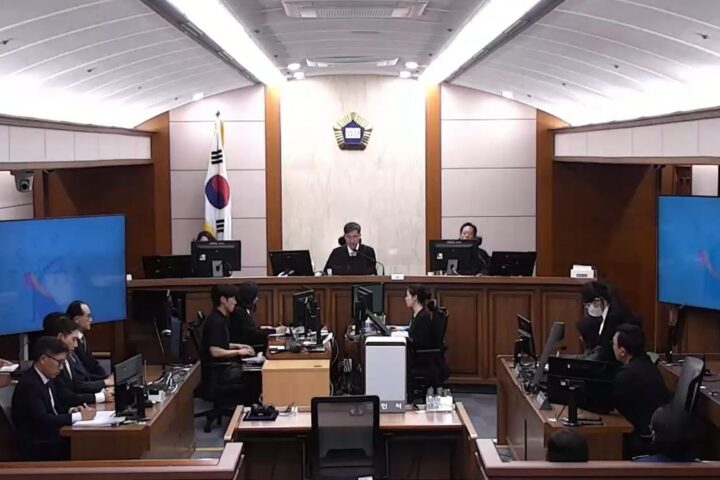
Adding to the controversy, Kim Gun-hee, the wife of former South Korean President Yoon Sook-yeol, was recently sentenced to 20 months in prison by the Seoul Central District Court for accepting bribes related to the Unification Church. She was convicted of receiving luxury goods, including diamond necklaces and designer handbags, allegedly in exchange for political favors. The case further intensifies scrutiny of the church’s political activities.
The church’s presence in Nepal is also linked to the 2018 Asia-Pacific Summit held in Kathmandu under Dhakal during the tenure of then Prime Minister KP Sharma Oli. International celebrities such as Aung San Suu Kyi and Cambodian Prime Minister Hun Sen attended the summit.
Reports that participants drank “holy wine” and collectively prayed to Han for blessings sparked widespread criticism, leading Oli to distance himself from parts of the program. Since then, the term “holy wine” has entered Nepali political discourse as a metaphor for foreign influence.
In response to the accusations, the Unification Church denied the authenticity of the leaked documents. In a statement released this week, its Japan unit said the materials contained factual errors and tampering and blamed former senior official Yun Yong-ho for causing confusion. The church insists the reports misrepresent its activities and intentions.
As the debate continues, the revelations raise broader questions about transparency in Nepal, foreign religious influence and the intersection of faith and politics.