The Tamesis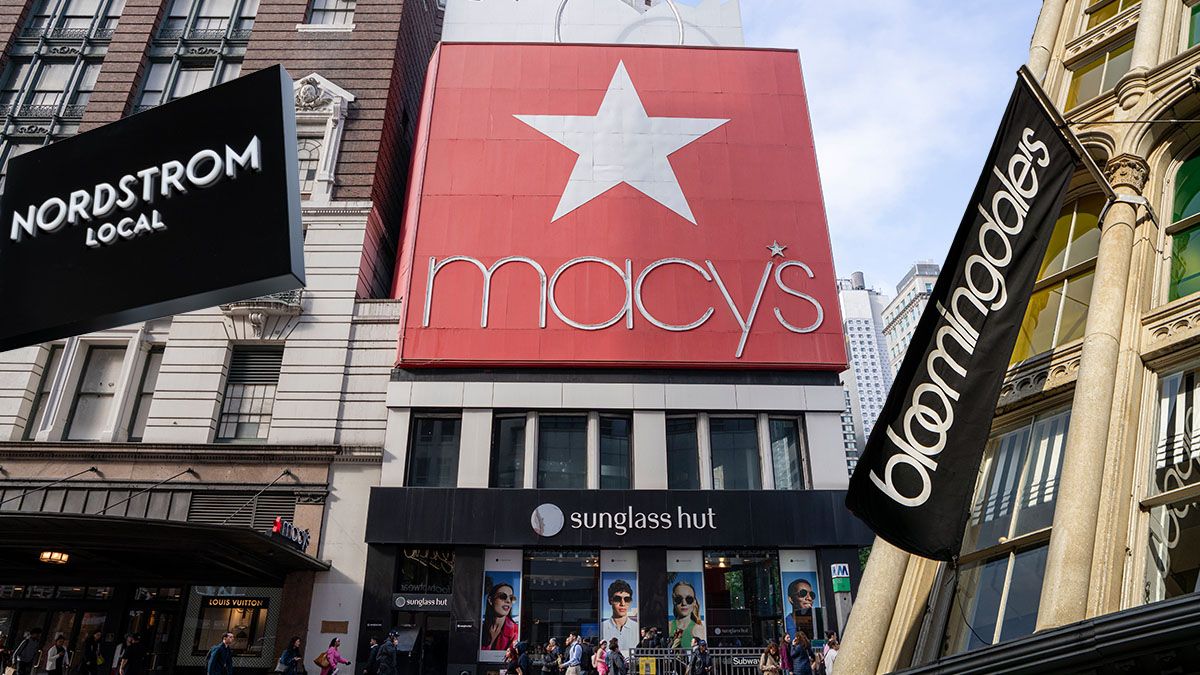
When Saks Global filed for Chapter 11 bankruptcy protection in January, troubling questions were raised about the U.S. department store’s viability. Can a retail model based on volume and variety survive in the age of Amazon Prime and direct-to-consumer brands? If department stores disappear, what will happen to the designers and brands that rely on them for distribution, credibility and scale?
While Saks restructures under the weight of strained supplier relationships and mounting debt, other major players are pushing back against talk of the model’s imminent demise and positioning themselves to take advantage of the moment. Nordstrom, which is set to go private in late 2024, is reinvesting in its stores and has ambitious expansion plans as it celebrates its 125th anniversary. Macy’s Inc.’s latest earnings showed comparable sales rising 3.2%, its strongest performance in 13 quarters, while its luxury brand Bloomingdale’s posted its best performance in more than three years. Bloomingdale’s is also redesigning its 59th Street flagship store by floor, bringing in 56 new designers this year and building a two-story Chanel boutique.
“The traditional department store model of offering volume, novelty and variety in one place is no longer unique,” said Thomaï Serdari, professor of luxury marketing at New York University (NYU). “The question is: What added value do retailers need to offer their customers?”
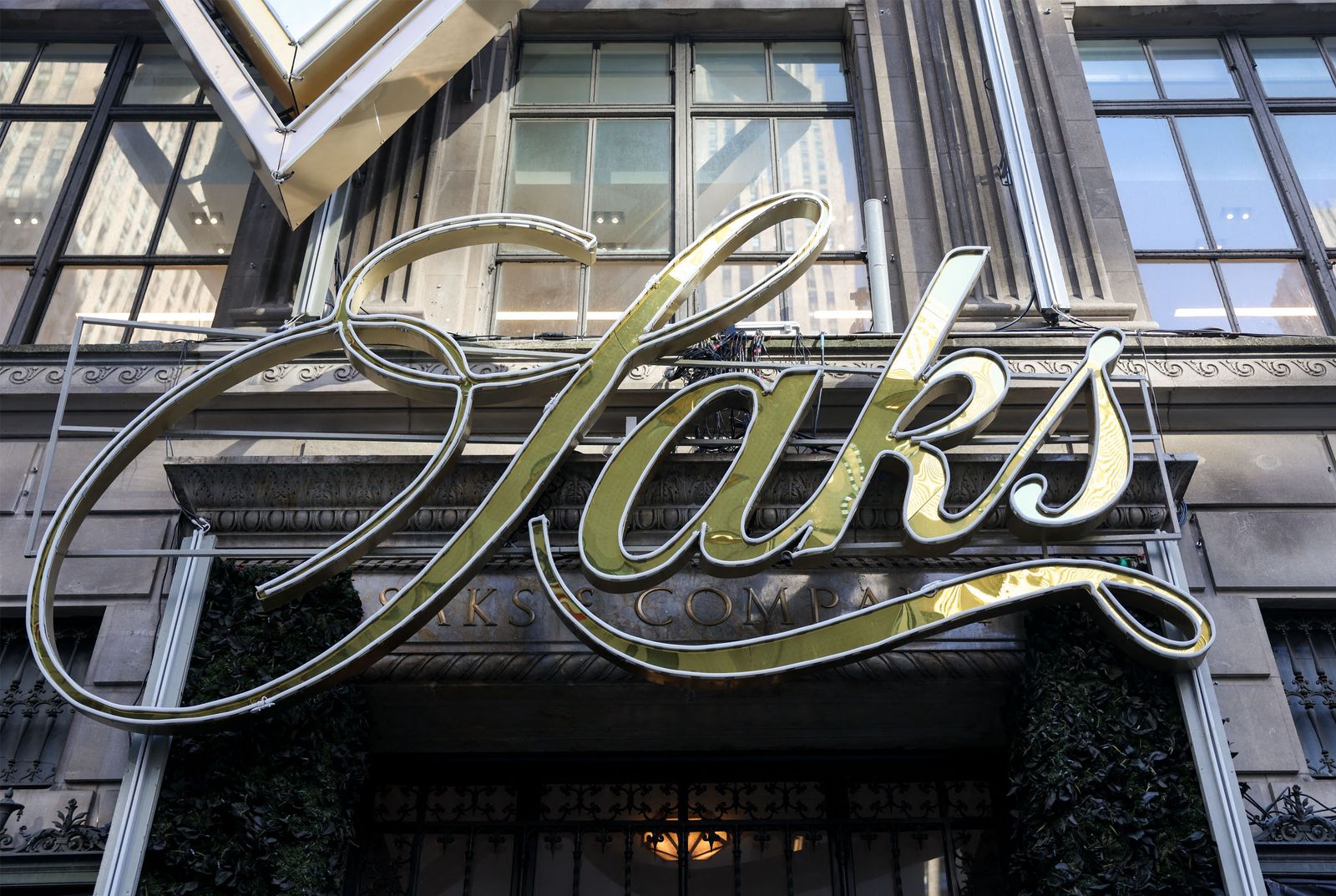
Photo: Getty Images
For U.S. department stores, this will be a year of survival of the fittest. From interviews with shoppers, retail analysts and department store executives, we see a clear picture: Winners don’t just survive by offering quantity and variety; They are fundamentally rethinking what a department store should be.
Destination, not convenience
The most successful department stores have shifted from transactional retail to experiential destinations, offering something consumers can’t get from Amazon or direct-to-consumer (DTC) brands.
“When department stores were popular, especially in the ’50s and ’60s, you would see a lot of families spending hours there because there was always something fun to do, like watching fashion shows, joining clubs and listening to live music,” says Hannah Truly Elisha, a content creator who focuses on retail history. “I think the experience is the most important part, and department stores have slowly erased that. They haven’t given me a reason to choose them over Amazon.”
Nordstrom has continued this philosophy by forging partnerships with partners outside of traditional retail. Last year, the company partnered with beauty clinic SkinSpirit to provide medspa services in some stores. In New York City, Nordstrom partnered with West Village fine jewelry destination Muse as the cornerstone of a new jewelry hall at its flagship store. The company is also expanding its network of Nordstrom Locals — service centers that offer customized services; buy online, pick up in store; and return to communities across the country.