The Tamesis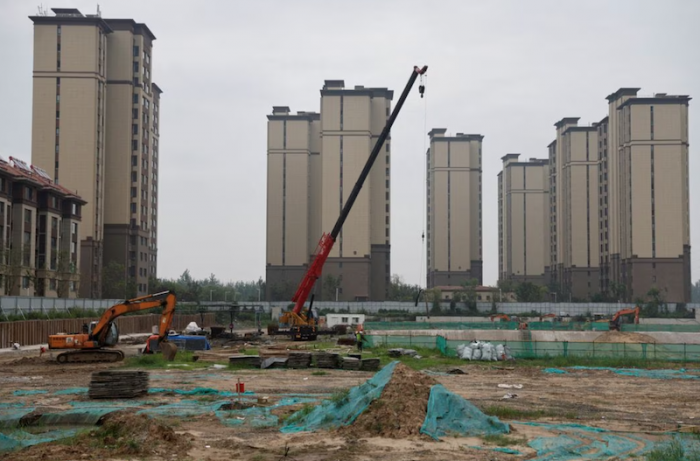
China’s real estate five-year decline continues into 2026, despite local media reporting last month that regulators had ended the notorious “three red lines” policy that limited developer debt.
this “Red Line” Policy The lending policy implemented in 2020 was intended to curb excessive lending to developers, but reactions to the news were mixed.
Some developers saw their share prices rise slightly, but others said rules had been relaxed ahead of this year and major steps were needed to address the industry’s long-running debt crisis and encourage buyers to purchase properties. Millions of unsold apartments.
Also read: India’s 20-year data center tax break faces resource crunch
A Communist Party publication noted early last month that the real estate industry was “going through a profound adjustment” but urged strong policy measures to help the industry.
There are also reports that China will expand its real estate investment trust (REIT) market, with developers of some favored projects receiving five-year loan extensions.
But analysts say the grim outlook for the industry, driven by a protracted debt crisis and a slew of unfinished projects, has yet to change unless more policy support is provided by the National People’s Congress and other summits of world leaders in March and April.
Sales continued to decline in January
New home sales continued to decline sharply in January, with the country’s top 100 developers reporting contracted sales of 165.5 billion yuan ($24 billion), down 27% from 2025, according to China Real Estate Information Group.
A report from Barclays said major developers’ January sales fell more sharply from the previous month, down 44%, due to slow sales of new projects and disappointing policy support.
The British bank described the figures as ” A dismal start to 2026“.
Nomura Securities said in a report on Tuesday that as contracted sales by top developers continued to fall in January, “it appears that the housing market downturn may continue for another year.”
Real estate executives also said the outlook remains grim, especially for private developers, but even state-owned developers do not expect major stimulus measures this year.
Reuters said new home prices fell 2.7% year-on-year in December, and other data showed real estate investment fell by more than 17% last year.
Robert Ciemniak, chief executive of research firm Real Estate Foresight, said he expected the policymaking paradigm to remain one of “support rather than stimulus”, althoughDevelopers could benefit if local governments are helped to buy back land and unsold housing developments and convert them into affordable housing.
Reuters said state-owned developer Vanke recently won approval from creditors to defer some repayments, but credit analysts still believe the company will eventually have to restructure its debt.
See also:
India’s 20-year data center tax break faces resource crunch
Vanke seeks short-term extension to delay debt restructuring
Fitch downgrades Vanke’s rating as default risk intensifies
Vanke’s rating downgraded by S&P, facing adjustments amid debt crisis
Hong Kong fire adds insult to injury to China’s real estate industry
China’s boom and bust real estate giants are not to be missed
Hundreds of Evergrande investors pressure Chinese officials for help
Chinese clients abandon PwC after China Evergrande fiasco
China’s real estate debt has weighed on the economy for years
Court orders China Evergrande to liquidate and repay its $300 billion debt
Chinese local governments have been slow to respond to the real estate crisis
China plans to relax “three red lines” to promote real estate mergers and acquisitions