The Tamesis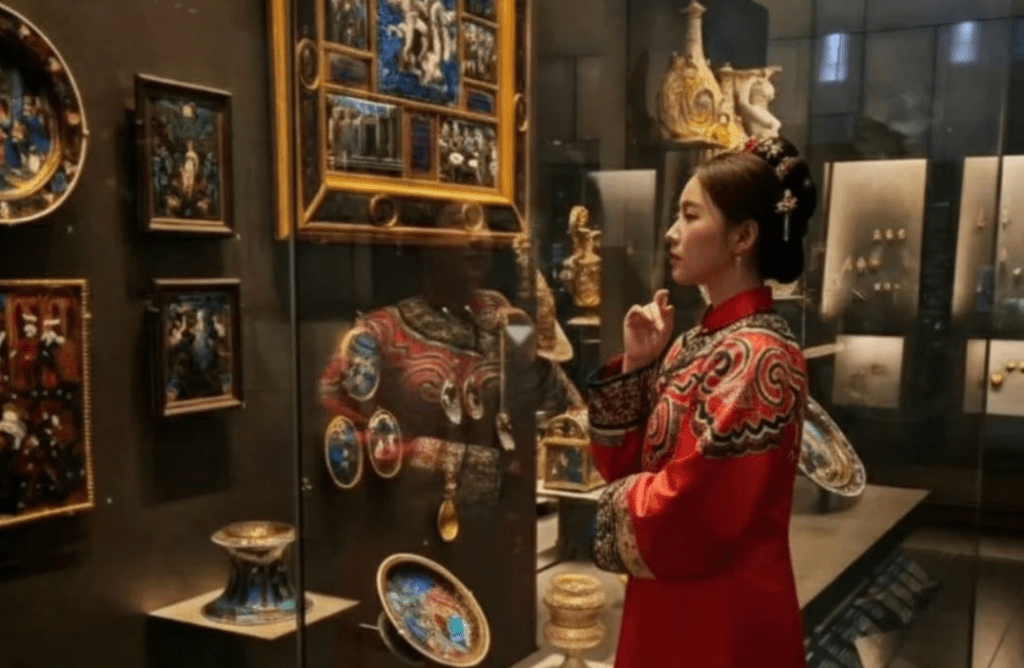
Several archaeologists have attacked the British Museum after it shared images containing artificial intelligence-generated content on its Instagram and Facebook accounts. The posts quickly sparked an online backlash after being published on January 27, and were deleted later that day.
The images show what appears to be the same young woman, dressed in different clothing, gazing thoughtfully at objects within the museum. “It’s always worth taking the time to take a closer look,” the caption read, alongside the hashtag #YourMuseum. Two accounts were flagged: one belonging to an AI-generated model and the other to V8 Global, an AI marketing agency. Their inclusion immediately raised questions about whether and how major cultural institutions might use generative AI.
Related articles

Steph Black, a PhD student at Durham University, archaeologist and content creator, said the post remained online for about six hours before being deleted. During that time, it attracted what she called a wave of “very negative” comments, with many calling for the museum to explain or apologize.
Black shared screenshots of the images on her own Instagram account, where she has nearly 200,000 followers. Soon after, she told Art Network News The British Museum unfollowed her and other creators who publicly criticized the post. She took the move as a signal to discourage further comment.
“They need to acknowledge what happened, explain why it happened and who approved it,” Black said. “I hope they take responsibility and commit not to use generative AI”
A spokesman for the British Museum said in a statement that the institution regularly reposts “user-generated” content on social media. In this case, the content was created using artificial intelligence, they said. “We do not publish images created by artificial intelligence and, recognizing the potential sensitivity, have removed them,” the spokesperson said. They added that as artificial intelligence is increasingly used across the industry, museums are currently developing internal guidelines for its use.
An image shared by the museum shows an AI-generated woman looking at a real object in the collection: a Mexican stone sculpture of Xiuhcoatl, the Aztec fire serpent. Black noted that while the same AI character has appeared in other images wearing traditional East Asian clothing, here she is wearing what appears to be Mexican-style clothing. “It’s like all these cultures are the same,” she said.