The Tamesis
When thinking about succession planning, it’s easy to paint a picture from the story of HBO succession —Sibling rivalry, the resignation of one founder, and the emergence of the chosen one.
Indeed, succession planning in the luxury industry is often slow, deliberately opaque and far less dramatic. However, it remains one of the most strategically sensitive issues, especially in the luxury industry, where the goal is to make a heritage brand outlive its founder by centuries. “This work requires anticipating the company’s future strategic needs and therefore goes far beyond simply selecting a capable new leader,” said Erell Bauduin, private client partner at law firm Charles Russell Speechlys. “This topic is naturally at the heart of investor expectations. Investors need to understand the stability of governance and the topic is often raised at shareholder meetings, often with a degree of concern.”
In January, investors pressured LVMH to clarify a succession plan for 76-year-old founder, chairman and chief executive Bernard Arnault. Reuters. Also in January, Moncler Group’s Remo Ruffini launched his succession plan, appointing Bottega Veneta’s Bartolomeo Rongone to take over as CEO, with Ruffini transitioning to executive chairman. In September 2025, Giorgio Armani’s succession plan – which had been kept secret until his will was read – revealed his desire for his heirs to sell their shares, ultimately selling the business to a strategic or public company.
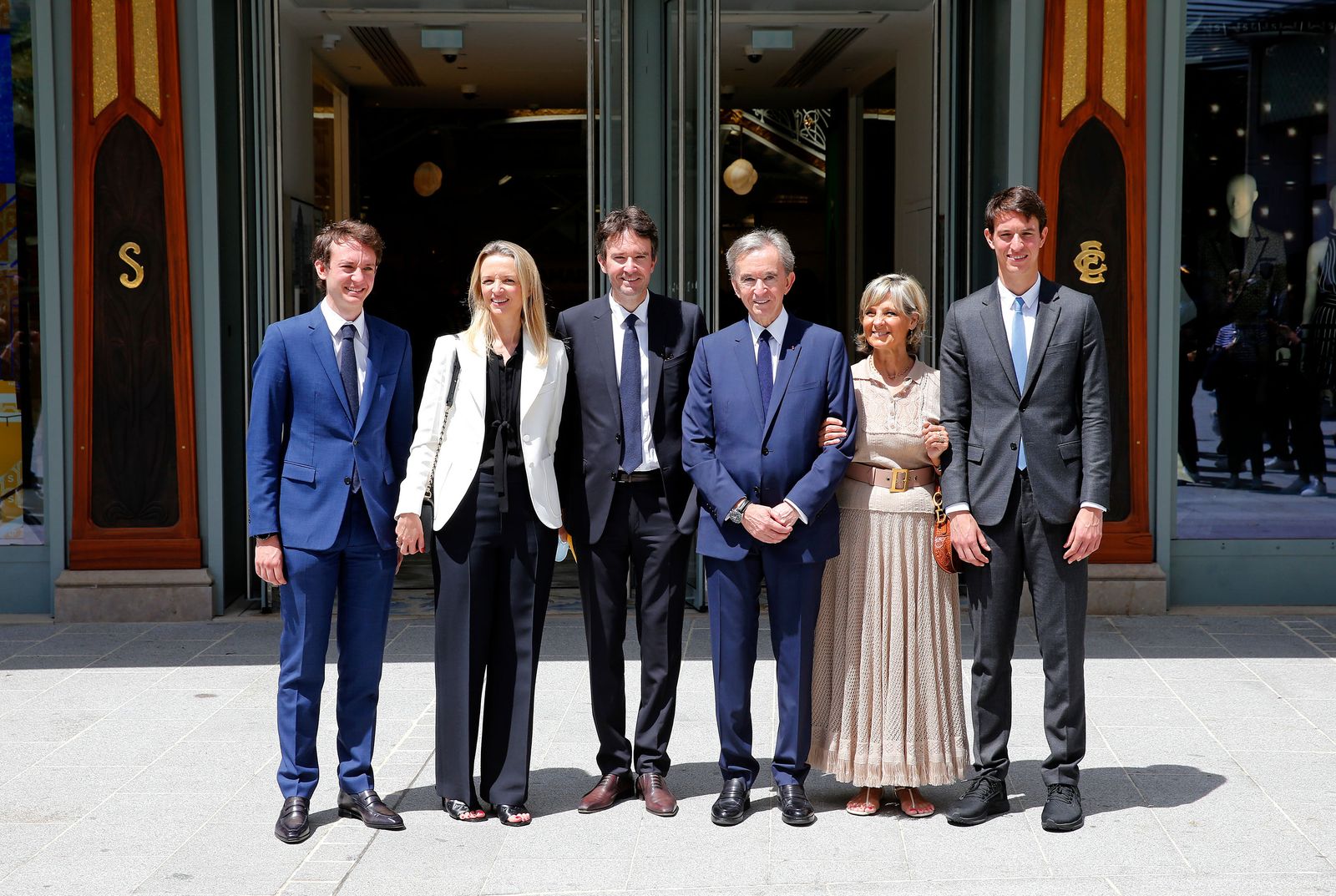
Clearly, there is no single model for succession planning. The approach taken by a company depends on its ownership structure, governance framework, size and nature of the business, market conditions and the extent to which the founding family is involved in management.
Diagnose the problem
Experts say boards need to be clear about what succession challenges they face before deciding who should succeed a chief executive. The approach differs fundamentally depending on whether the company is founder-led, family-influenced, public, or private.
In founder-centric organizations, succession risk is often related to overreliance on a single individual rather than a lack of talent. In listed groups with strong family influence, such as LVMH or Kering, the challenge is balancing long-term control with market expectations for transparency and governance. In private family businesses, succession is as much about leadership as it is about managing family dynamics.
Cécile de Lisle, executive director of the Family Business Center at HEC Paris, France, said there are many misunderstandings about what constitutes a family business. She said the EU definition is that a family must have a majority of the voting rights and at least one family member participates in governance, otherwise the family must have at least 25% of the voting rights. By this definition, several of the largest luxury goods groups – including LVMH and Kering – are not strictly family businesses, despite the influence of their founding families. Ferragamo would be a more accurate example of a true family business.