The Tamesis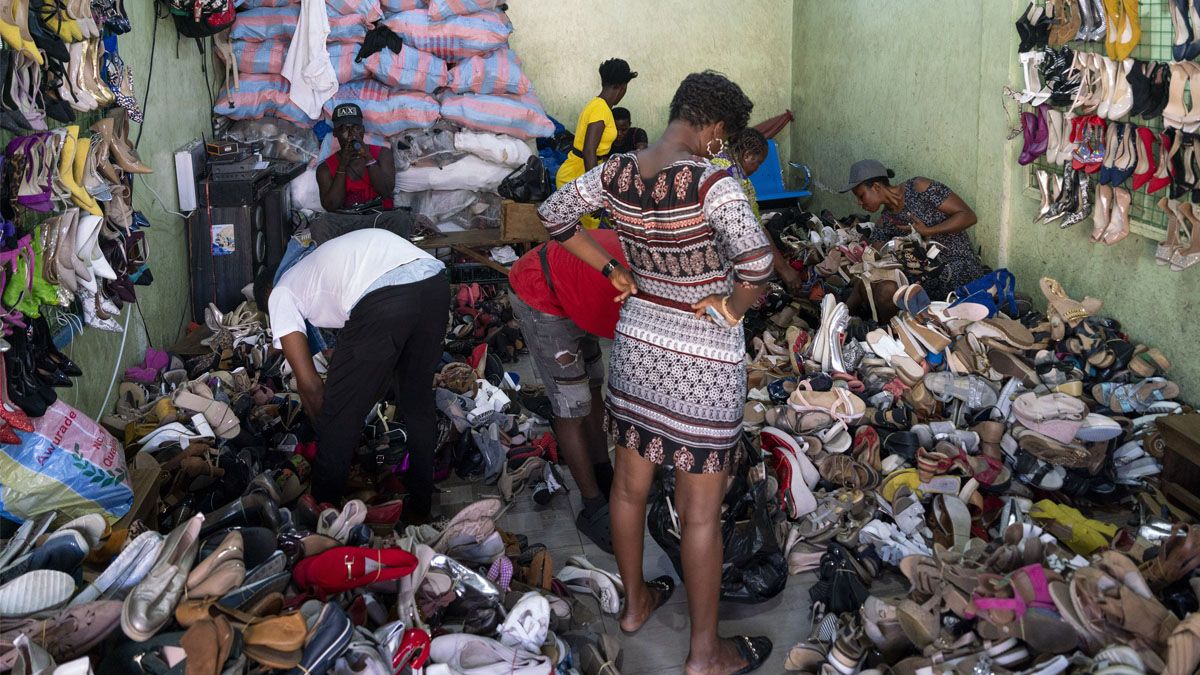
Taking all factors into account, ReHubs estimates the EPR funding gap at €5-6 billion, noting that most EPR schemes will not even begin charging fees until 2028. Moreover, as the EU rolls back on key regulations, undermining circular incentives, many private investors who might fill the gap are scared. “Before, investors were willing to invest because the legislative train was running at full speed. Now they are willing to invest if we want it, which means half the money still has to come from the EU.”
So who is responsible for deciding how the funds are actually spent? This work is done by Producer Responsibility Organizations (PROs), but it’s not as simple as one organization per country. “So far, there are three PROs in the Netherlands and eight in Italy,” said van de Kerkhof. “We are talking about competing schemes with completely different set-ups, each with administrative costs to pay. That would be extremely difficult.” (This conversation is gathering pace in Europe. Just this week, organizations including Global Fashion Agenda, Euratex and European E-Commerce issued a joint statement calling on PROs to remain producer-driven, with a clear distinction between regulators, supervisors and operators, and harmonization across member states.)
Transferring funds across borders
Elmar Stroomer, co-founder of Africa Collect Textiles (ACT), said that as with any funding earmarked for impact, there is also the question of where the money is best spent. The company collects, sorts and transforms textile waste in Kenya. “If you had €1 million in EPR funding and you were in the Netherlands, you could probably increase your old textile recycling rate by 5%,” he said. “But if you spent the same money in Kenya, where collection rates are currently close to zero and a lack of infrastructure means textile waste is burned outdoors or flows into rivers, you could have a much greater impact.”
Stroomer said that even if European countries agree to send some of the EPR funds to the country where the used clothes are being received, moving the funds across borders is considered “legally challenging”. But whether policymakers adopt globally responsible EPR or not, they must overcome this perception.
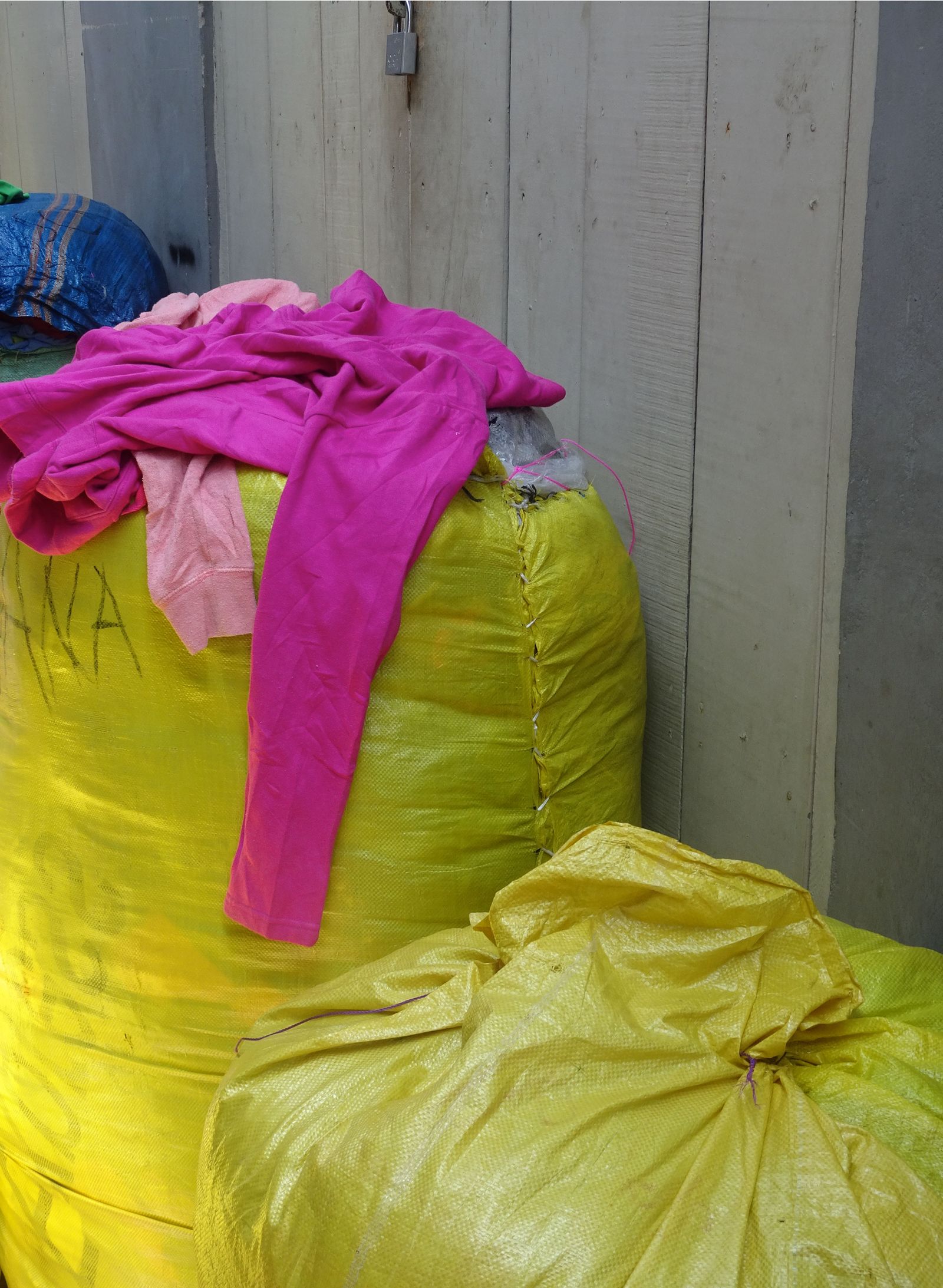
Used clothes are often exported from Europe to the Southern Hemisphere, but policymakers say redirecting EPR funding in the same direction will be challenging.Photo: Bella Weber