The Tamesis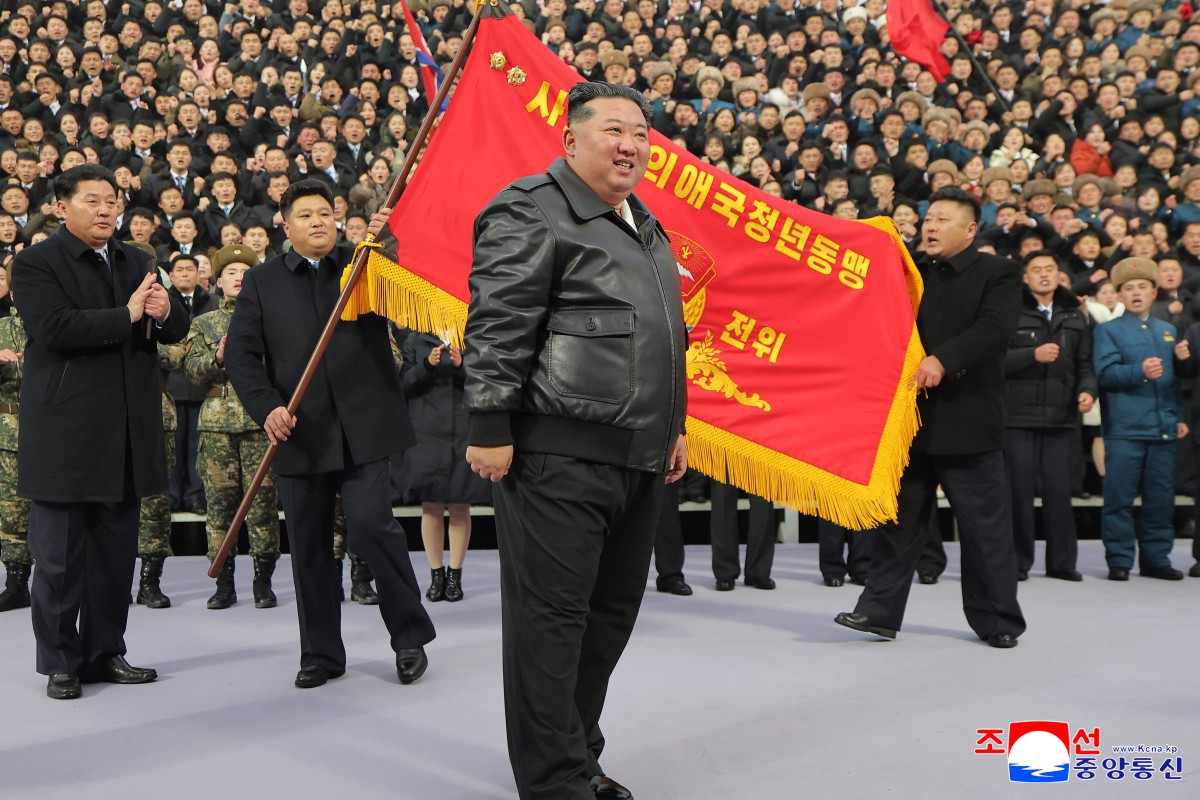
January 29, 2026
Seoul – North Korean leader Kim Jong Un appears to be placing greater emphasis on using fear as a tool of governance, imposing on-the-spot disciplinary measures during field inspections, according to a Tuesday report from a state-backed think tank.
A report by South Korea’s National Institute for National Unification said Kim appeared to have shifted his focus from appearing benevolent during on-site inspections to opting for immediate punishment for policy failures – a move widely seen as reaffirming power hierarchies.
The report said, “Kim Jong-un’s on-site guidance quickly turned into ‘on-site judgment’, and those who failed to meet the standards were immediately punished on the spot.”
Park Eun-joo, a senior researcher at the institute, elaborated on the concept of “on-the-spot judgment,” noting that unlike in the past, where criticism often resulted in subsequent administrative measures through the party or the judiciary, Kim Jong-un now directly and immediately exercises personnel powers during inspections.
“This reflects our attempt to functionally transform on-site instruction from a place of encouragement to a space of summary judgment,” Parker said. “It highlights leaders’ efforts to solidify themselves not just as supervisors but as ‘judges’ making personnel and quasi-judicial decisions on the spot.”
Kim Jong-un has demonstrated this approach many times in recent years.
During the 2024 flood recovery effort, he fired senior officials after convening an emergency meeting of the Politburo. At the beginning of last year, the official corruption cases of Nanpu Road and Chajiang Road were designated as “extremely serious criminal cases.”
Recently, at the inauguration ceremony of Yongseong Machinery Complex in Hamhung City, South Hamgyong Province, Kim Jong-un suddenly dismissed Yang Seung-ho, the deputy prime minister in charge of the machinery industry sector.
These actions are in sharp contrast to the “people-friendly” image that Kim Jong-un strived to establish in the early days of his rule. During times of systemic tension, Kim Jong Un has increasingly moved to the forefront rather than directly wielding punitive power — a shift the report describes as a return to fear-based governance.
Park Geun-hye said this approach is likely to internalize a persistent sense of vulnerability among North Korea’s bureaucratic elites, reinforce the idea that “anyone can be a target of judgment at any time,” and strengthen overall control.
At the same time, the report also assesses that the timing of this shift is important as the regime approaches the ninth congress of the ruling Workers’ Party, which is widely expected to take place early this year.
“As Congress prepares to review the regime’s performance over the past five years, international sanctions and resource shortages have limited apparent progress on the regional development policy announced in January 2024,” the report said.
However, Parker warned that a fear-driven leadership style could have adverse effects, including resistance within the bureaucracy and paralysis of administrative execution, which could ultimately undermine the cohesion of the regime.
Ahead of the upcoming party congress, there is growing speculation that Kim Jong Un may further strengthen the leadership hierarchy centered on the Kim family, including elevating his daughter Kim Ju-ae to a more important public position.