The Tamesis
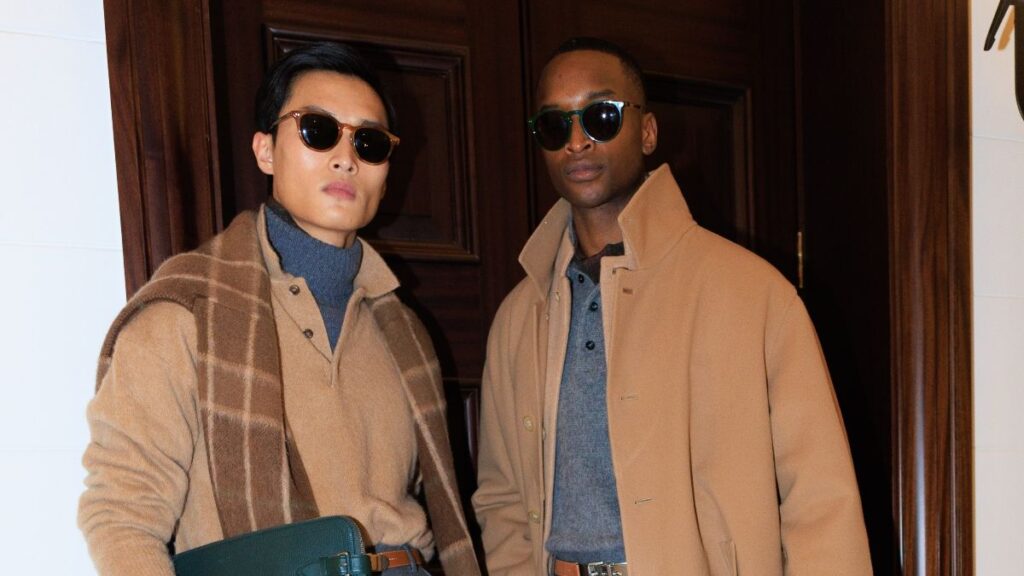
The fashion industry has long capitalized on the symbolism of the horse, a recurring theme for brands such as Gucci, Loro Piana, Versace, Dior, Celine and Stella McCartney. In 2026, as China welcomes the Year of the Horse, the fashion world’s focus on horses will take center stage.
Brand celebrations are significant: Lunar New Year is an important consumer spending period in the region, with online retail sales expected to grow 5.8% during the eight-day holiday in 2025, according to government data. Mintel found that in February 2025, the Year of the Snake, 47% of Chinese consumers said they spent more on clothing during the festival.
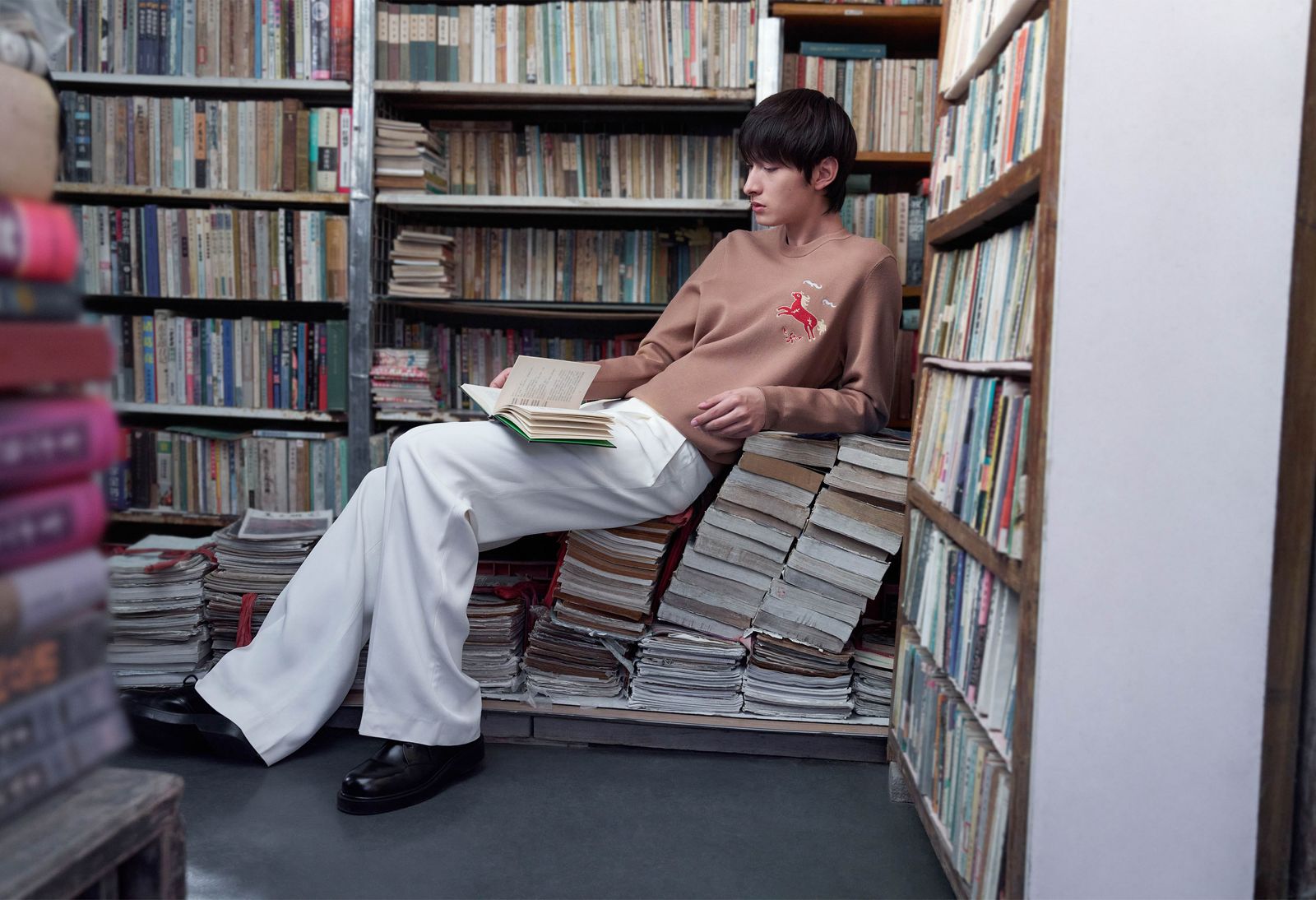
This year’s Lunar New Year will kick off on February 17 and last for 16 days until March 3. Major brands have already participated. Horse prints are making strides in brands such as Burberry, Loro Piana, Sandro and Tory Burch, while horse-related accessories and accessories are sold by Fendi and Moynat. Some brands are appointing Chinese ambassadors to make the most of the celebrations: Emporio Armani hired TFBoys’ Yi Yangqianxi, Loewe hired Chinese actor Wang Yibo, and table tennis star Ma Long is Prada’s frontman. Others are collaborating with local designers such as Barbour’s Feng Chen Wang, H&M’s Jacques Wei and Galeries Lafayette’s Shuting Qiu to make the most of the moment.
The last Year of the Horse was 2014, and a lot has changed since then. Alec Hou, founder and CEO of brand experience agency Essence Group, said consumers today are more visually and culturally literate than they were 12 years ago because exposure to global luxury stories has “dramatically raised expectations.” At that time, Chinese New Year activities were still largely symbol-led and literal. People’s expectations have changed since then, Hou said. “In 2014 we used a lot of red, zodiac animals and obvious holiday cues,” he explains.[Chinese] Consumers are impressed simply by being noticed by a global luxury brand, not by the execution itself. “
Since then, China has experienced a surge in consumption before leveling off as the economy slowed after the epidemic. Mintel pointed out that by 2026, New Year consumption will move away from the unrealistic and unrealistic consumption of previous years and shift to more rational choices. Shoppers will seek practicality and cultural resonance when purchasing. This means best practices have changed for the new year, and getting the tone right is more important than ever. Restraint is key. Brands are encouraged to incorporate elements of Chinese culture and offer products that promote emotional connections, such as those related to seasons or traditional health concepts.