The Tamesis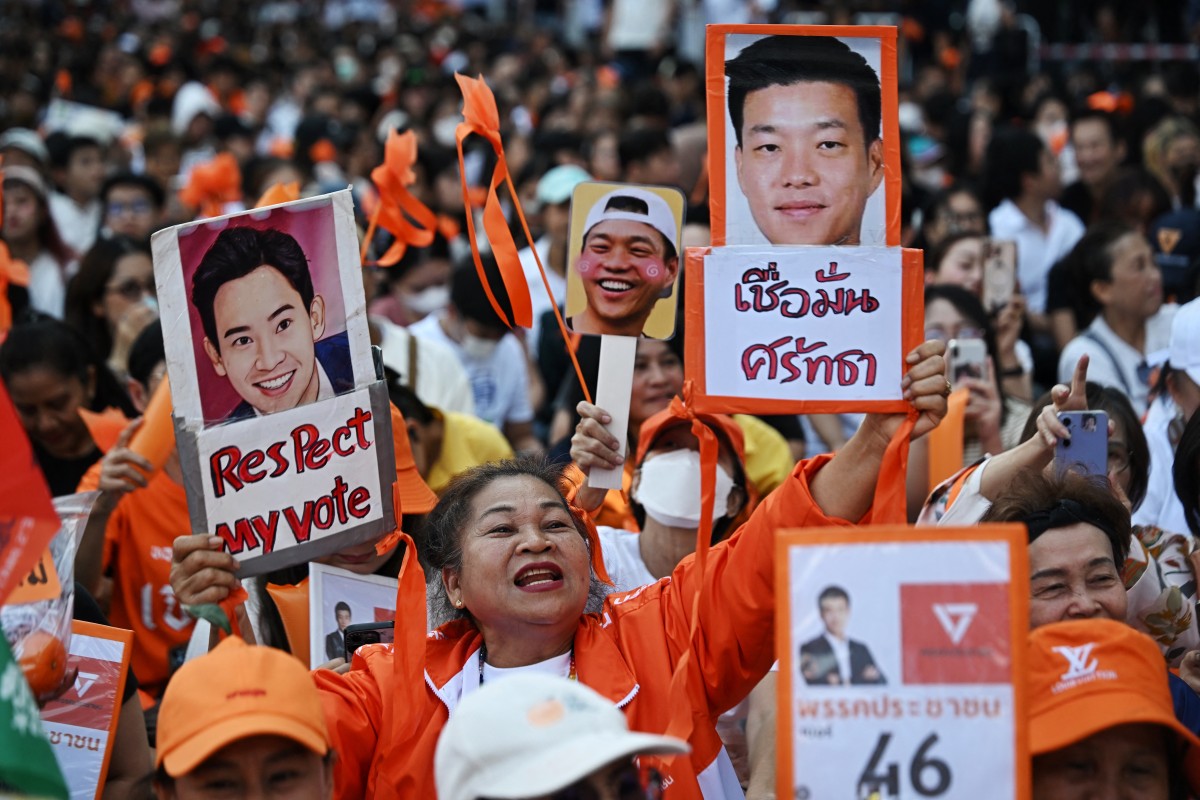
The PPP submitted 36 policies (6.83%) with a total budget of 741.83 billion baht. Notable proposals include: spending 3 billion baht each time to draft a people’s constitution; large-scale projects to improve the quality of life nationwide at a cost of 130 billion baht per year; and upskilling the workforce through a centralized system and 20 billion baht per year in skills upgrade vouchers.
It also proposes to reform health care services in Bangkok and provinces, manage National Health Security Office (NHSO) funds, develop patient data linkage systems, hospital medical systems and reduce the burden on medical staff, requiring 35.5 billion baht per year. It also proposes investing 45 billion baht per year to improve capacity for elderly care and long-term patients; providing 27 billion baht per year in child subsidies and establishing quality childcare centres; and increasing disability benefits to 34 billion baht per year.
It is worth noting that the Bhumjaithai Party submitted only 8 policies (1.52%), requiring a total of 148.32 billion baht. Notable proposals include: Khon La Khrueng Plus 44 billion baht (national part only); electric motorcycles with monthly installments of 300 baht over 60 months, totaling 3.2 billion baht; electricity bill at 3 baht per unit, 63.36 billion baht per year; volunteer nurses to care for the elderly – one volunteer nurse per village – 13.5 billion baht per year; 100,000 volunteer soldiers earn 12,000 baht per month, totaling 22.7 billion baht per year; building a border wall at a cost of 866 million baht to prevent invasion; and the Education Equality Additional Plan (700 million baht), etc.
Other well-known parties include the Tecomai Party and the Rak Chart Party, each with 30 policies (5.69% of the total). Ruam Thai Sang Chart Party submitted 21 policies (3.98%). The Thai Sun Thai Party submitted 7 policies (1.33%). The Thai Liberal Party submitted 6 policies (1.14%). The Economic Party submitted 4 policies (0.76%). The People’s Power Party, the People’s Power Party, the Movement Party and the New Opportunities Party each submitted 3 policies (0.57%). The Thai Lemparang Party submitted 2 policies (0.38%).
For these campaign policies, the European Commission requires political parties to provide detailed information, including the funding sources and budget required to implement the policy, the value of funds, expected benefits, impacts and risks. Political parties must submit this information to the EC at least 20 days before the election day of February 8, 2026 (i.e. January 19, 2026) so that the EC can release the information to the public.
For fiscal year 2026, the government has set total expenditure at 3.78 trillion baht. Among them, recurrent expenditure is 2.65 trillion baht, accounting for 70.2% of the total budget, and revenue is expected to be 2.92 trillion baht.
Recurrent government expenditures include wages, civil servant salaries, medical expenses, water and electricity bills, subsidies, etc. Compared with the annual expenditure budget, recurrent expenditure usually accounts for about 70-80%, while the share allocated to national development investment is about 20%.
In addition, the government also set aside 123.54 billion baht to repay treasury advances used in the previous year, accounting for 3.3%, and set aside 151.2 billion baht to repay loan principal, accounting for 4%. This brings the investment budget for national development in this year’s expenditure budget to 861.73 billion baht, a decrease of 70.62 million baht from last year.
The new government’s task will therefore effectively start from scratch, as it must manage its budget and implement its campaign policies in the next fiscal year.