The Tamesis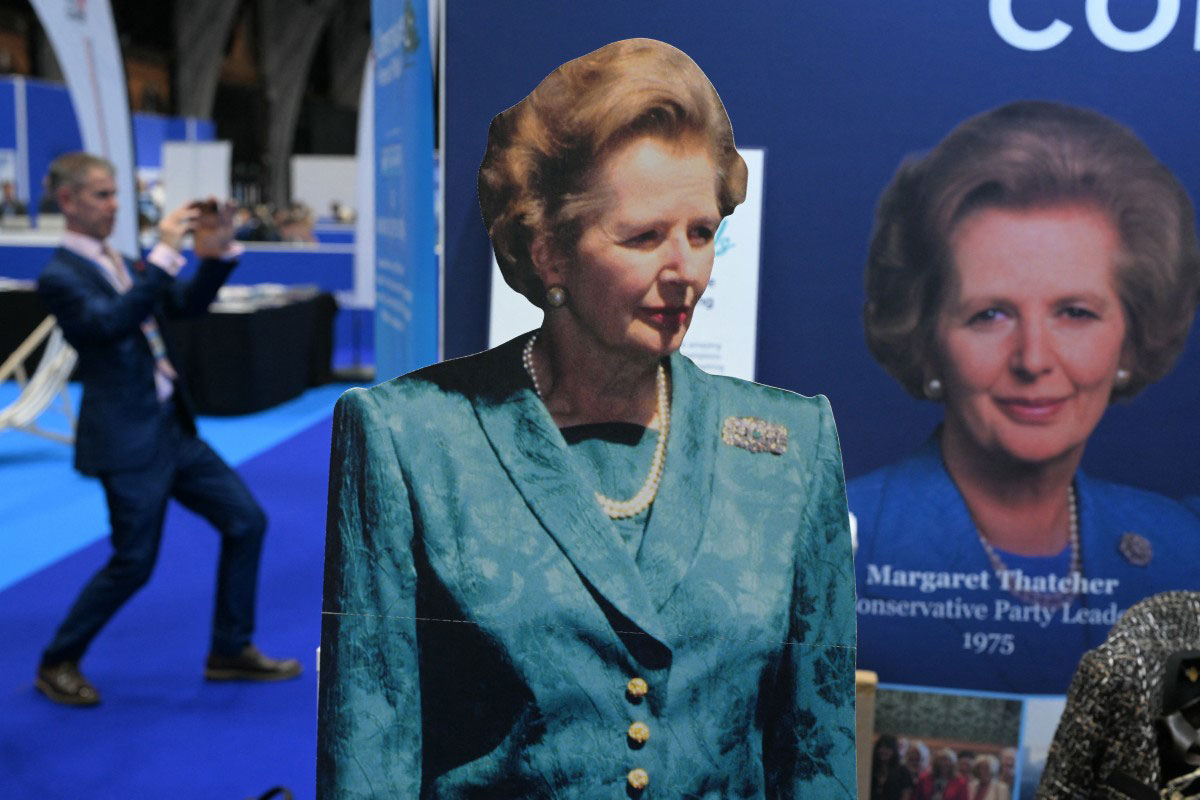
January 26, 2026
Kuala Lumpur – “It’s a Singaporean brand,” a Singaporean friend told me over dinner at a restaurant in Kuala Lumpur earlier this week. The Malaysian politics expert is referring to Bacha coffee.
I was surprised: “I thought it was Moroccan,” I said.
I discovered this brand in September 2023. There was a long queue outside its first outlet at Suria KLCC. It is generally believed to be a Moroccan brand with a long history dating back to 1910 in Marrakesh. Well, that’s what it says on the label. The crowds queuing up to get a taste are undoubtedly upscale enough to fit into the luxury store, which is described as being largely inspired by the Dar el Bacha palace in Marrakech where the brand originated in 1910.
However, on my way home from dinner recently, Google told me that a company called V3 Gourmet founded Bacha from scratch in Singapore in 2019. V3 also owns TWG Tea, which I always thought was a British brand with strong British heritage. Turns out it was created in 2008 in Singapore.
The company gave the relatively new brand an old-school vibe by tying its logo to a historic date—1837 for TWG and 1910 for Bacha. Leveraging modern marketing, it convinces customers that there are centuries of tradition behind the brand.
This “traditional” impression is reinforced by minimalist, old-world store designs that use brass accents and floor-to-ceiling jars to replicate the ambience of pre-war European salons. This is the power of a successful brand.
When I got home, I realized that this “traditional hallucination” wasn’t unique to luxury caffeine. If a company less than two decades old can convince the world that it has centuries-old Moroccan roots with brass cans and gold leaf, why can’t a political party do the same with a change of attire?
Over the past few days, I have been listening to political analysts, pollsters and branding experts: “Can Umno rebrand?” I asked.
At the recent Umno convention, president Datuk Seri Ahmad Zahid Hamidi stressed that the party must emerge from the “shadow of nostalgia” and undergo a comprehensive rebranding to keep the Malay struggle relevant and authoritative.
“If you can reshape Najib, you can reshape Umno,” one pollster said, referring to how Datuk Seri Najib Razak recast himself from elitist prime minister to street-smart “Bossku” after losing power in the 14th general election in 2018.
Najib’s rebranding is contrary to the Bacha and TWG brands. Najib cultivated an aristocratic image during his tenure as prime minister, often appearing in tailored suits to project the authority of a global politician.
However, after losing the 2018 election, he became Bossku, swapping his suit for a hoodie to resonate with working-class young people. By adopting the street slang of mat culture and launching viral attacks on his opponents on social media, the former Umno president has managed to reinvent himself as a relatable, approachable everyday hero.
As I cover the 2024 Indonesian presidential election, I see Prabowo Subianto’s rebranding as one of the most successful examples of “aesthetic softening” in modern Southeast Asian politics. Just like Najib turned to Bosco, Prabowo realized he had to transform from a feared figure to one people were willing to vote for.
During his 2014 and 2019 campaigns against then-President Joko Widodo, Prabowo projected a tough, combative image characterized by a fiery, hot-headed and determined leadership style.
In 2024, the former army general transformed into a friendly bapak-bapak (father figure), embracing the lovable grandpa figure known as gemoy (cute) in Indonesia and showing off his softer side as a devoted cat lover.
By replacing aggressive speeches with viral TikTok gemoy dances and light-hearted social media content, he successfully “erased” his controversial past and appealed to Gen Z and Millennial voters. In the end, this successful transformation led him to win the presidency in a landslide, proving that in modern Southeast Asian politics, personality can be as decisive as policy.
Another highly successful rebranding effort was that of British Prime Minister Margaret Thatcher by global PR firm Saatchi & Saatchi. A Malaysian brand expert who has worked for the company tells how Mrs Thatcher transformed from “the grocer’s daughter” to the formidable Iron Lady.
For example, it was suggested that her transformation from the “suburban housewife” floral dresses and extravagant 1960s hats to a “power uniform” of structured blue suits, pearls and pussy-bow blouses signaled that she was a no-nonsense professional in a male-dominated world.
The “grocer’s daughter” label is just a myth: when she ran for prime minister in 1979, she was actually the wife of a wealthy lawyer and millionaire. Saatchi & Saatchi emphasizes that her “humble origins” allow her to talk about the national economy with the authority of someone who knows “how to balance a family budget” (perhaps one of her most famous lines), making high-level economics relatable to ordinary voters.
I plan to travel to Bangkok to observe the February 8 general election, especially the fortunes of the People’s Party, the latest incarnation of the Kadima Party and the future incarnation of the Kadima Party. I want to see if it can successfully move away from its reliance on the rock star charm of former leaders Pita Limjaroenrat and Thana-thorn Juangroongruangkit and move towards a more policy-focused brand under the pragmatic, tech-savvy leadership of Natthaphong Ruengpanyawut.
But the more fascinating “legacy” game lies in Pheu Thai. Can Thaksin Shinawatra, the ultimate architect of populist politics, still make his party relevant to a new generation?
I also want to watch Anutin Charnvirakul’s performance. He has shrewdly reinvented himself from a business-minded kingmaker into an experienced prime minister, stabilizing the government with a technocratic cabinet and capitalizing on nationalist “unite around the flag” sentiment in the recent border conflict with Cambodia.
In the end, whether we’re drinking Singaporean beer sold as a Moroccan legend or voting for elitist politicians rebranded as everyday heroes, some of us are customers/voters whose support simply needs to be won over by the right brand.