The Tamesis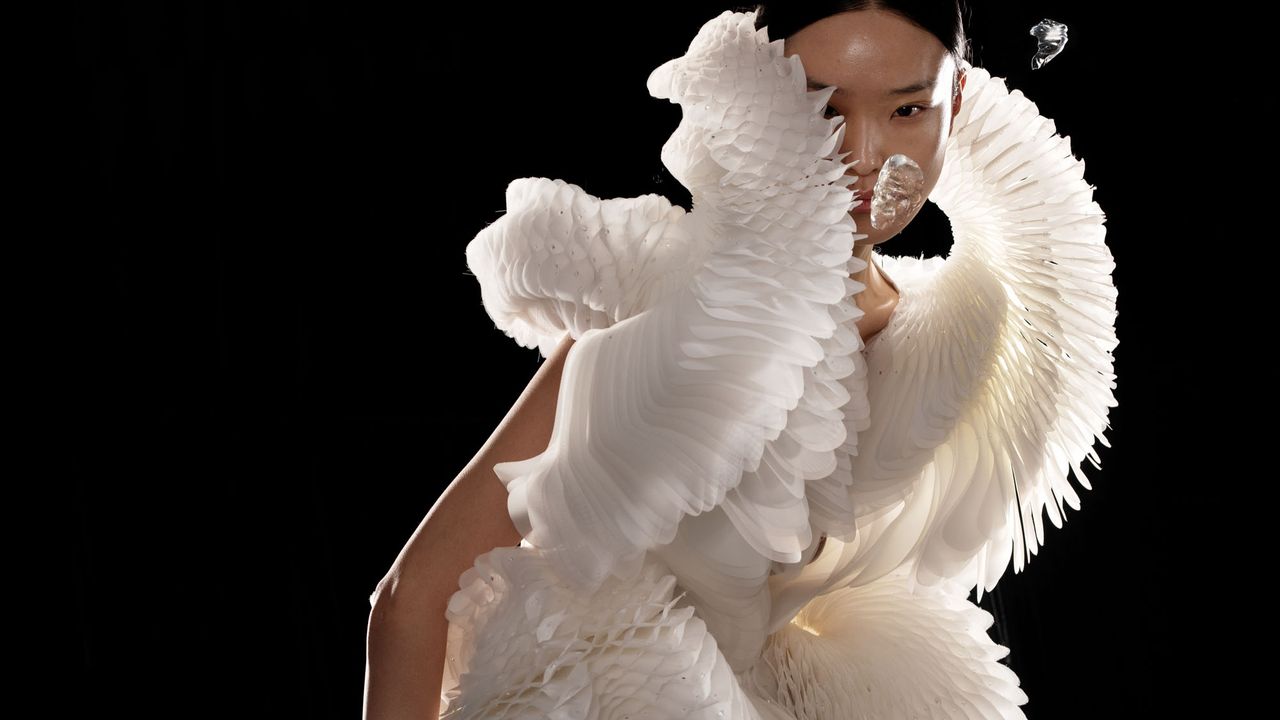
Although the Brooklyn Museum transferred its costume collection to the Costume Institute in 2009, the BAM staged one blockbuster exhibition after another and published numerous monographs (Virgil Abloh, Thierry Mugler, Christian Dior, Pierre Cardin, Jean Paul Gaultier), some on a wide range of topics: “Solid Gold,” “Africa Fashion,” “Studio 54: Night Magic.” How does Yomboski think about “shaping the senses,” blending in and standing out?
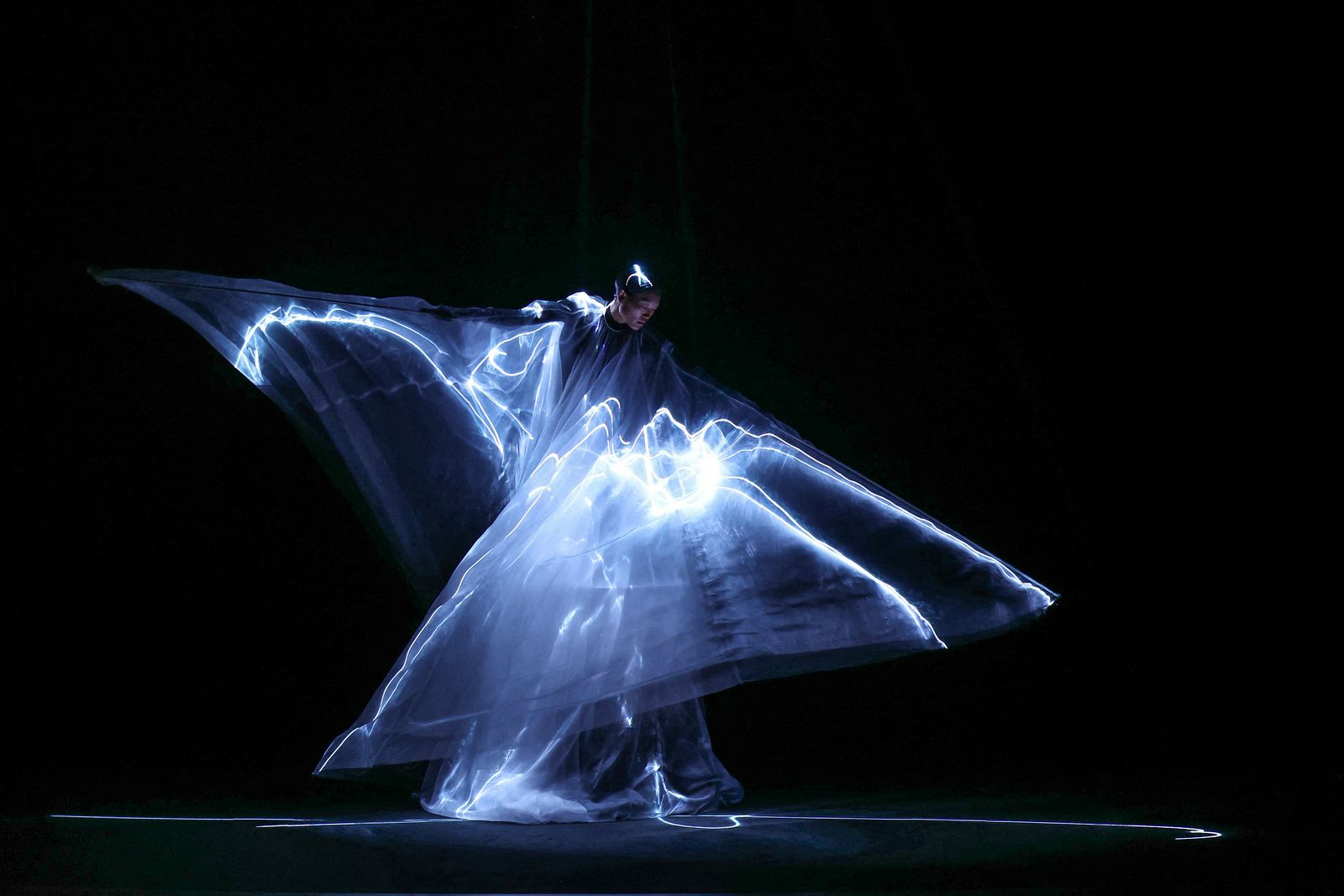
“For Dior, I incorporated more than 20 important works from the museum’s permanent collection, providing a dialogue between the interests of Christian Dior, his successors and artists with similar works,” explains the curator. “For example, in the mid-1950s, Christian Dior talked about how each season he was offered beautiful fabrics in a variety of colors, but in the end he was happy to wear only black… For me, this connects to the work of artists like Louise Nevelson and Ad Reinhardt, who had similar beliefs about black. That was a major highlight for me, visually bringing these dresses and artworks into conversation.” He continued: “For Iris van Herpen Her mood boards are not filled with fashions and photographs from decades past, but with images of the aquatic universe, drawings of nervous systems and paleontological specimens from millions of years ago. Her references are different from those of other dress and gown designers, so there is an otherworldly aspect to her creations as well as a ‘new’ aspect. So in this ‘Sculpting the Senses’ exhibition we have objects such as coral and a piece from Collectif. To me, it’s like a piece of the ocean being brought into the gallery.”
Van Herpen’s exhibition differs from Müller’s retrospective in that she is still alive, her career is still very much a work in progress, and, as Yokobosky points out, “Van Herpen’s work is deeply indicative of the feeling of the present.” As a result, visitors see not so much the context of past fashion pieces as a developing story, which may influence how one experiences the exhibition. Rather than predict what the exhibition might bring, the curator said, “I want them to be immersed in themes and experiences that include eye candy as well as interesting written information. Sometimes it’s sounds and so on. Everyone can make their own associations, listen to what they find interesting, and come away with different feelings and different knowledge and so on. So I don’t think there’s one outcome, but there are many permutations.” It’s a curatorial approach that is in sync with the broader way people think about style today.