The Tamesis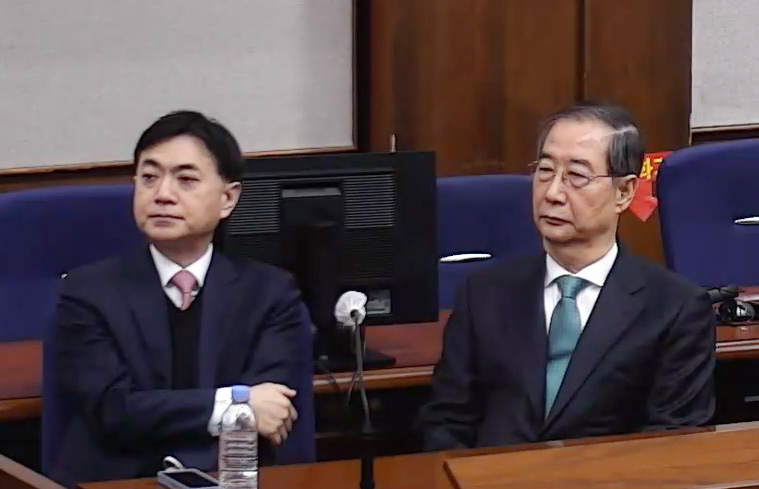
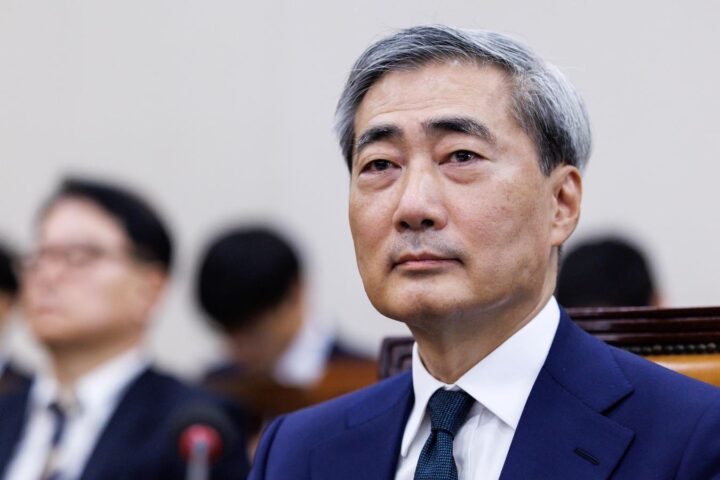
According to Han’s decision, the court clearly characterized Yun’s declaration of martial law on December 3 as rebellion.
Judge Lee said: “After declaring martial law on December 3, declaring unconstitutional and illegal decrees, and mobilizing military and police forces to occupy the National Assembly, the National Election Commission and other institutions constituted an act of rebellion as defined in Article 87 of the Criminal Code.” “I will refer to it as the ‘12.3 uprising’ from now on.”
According to Article 87 of the Penal Code, riots are defined as riotous acts that exclude state power or undermine the constitutional order in all or part of the territory of South Korea.
The court said the decree bypassed constitutional procedures and effectively suspended core democratic institutions, including the National Assembly and the multi-party system.
Judge Lee further defined “riot” as attacks, intimidation or other acts that cause fear, adding that Yin’s actions caused serious disturbances in specific areas of the country.
Played a “major role” in the uprising
Han was initially charged with abetting the rebellion, but the special prosecutor revised the indictment in October 2025 at the court’s request to include charges of playing a major role in the rebellion.
The court found that Han ultimately helped the statement appear to have procedural legitimacy despite his claims that he was trying to restrain the president.
Specifically, the court cited Han’s role in convening cabinet meetings to create the appearance of deliberation, collecting signatures from ministers to satisfy formal requirements, failing to fulfill his duties as prime minister and cabinet deputy chairman to ensure democratic processes, and discussing with then-Interior Minister Lee Sang-min the potential utility shutdown of certain media outlets.
Although he was one of the first to review a draft decree that included provisions banning political activity and controlling the media, the court said he summoned ministers to ensure a quorum and encouraged signatures to formalize the decree.
Hanguo-yu argued that he summoned ministers to dissuade Yoon from declaring martial law. The court rejected the claim, noting that even when other ministers expressed their opposition, Han failed to express his objection clearly.
Perjury and forgery of official documents
The court also found Han guilty of forging official documents after ordering a new martial law order on December 6, three days after martial law was declared, seeking to make the move retroactive.
Prosecutors said Han later ordered the document to be destroyed, constituting the illegal destruction of official records.
The court further found that the documents Han received from the Blue House were not simply discarded but processed separately.
Han was also found guilty of perjury for perjury during Yoon’s impeachment trial, saying he had no prior knowledge of the decree and had not received any relevant documents.
The court rejected Han’s claim that memory loss explained his testimony.
Court emphasizes deterrence
Before handing down its verdict, the court highlighted the seriousness of the crisis and warned that successful coups historically have led to dictatorships or prolonged civil wars.
The judges also noted that the lack of casualties and the swift lifting of martial law were due to the courage of citizens, quick action by lawmakers and the restraint of some military and police officers, rather than the intentions of those who declared martial law.
Gasps filled the courtroom as the verdict was read.
Han had been smiling and talking quietly to his lawyers before the ruling, but he looked visibly shaken.
“I humbly accept the court’s decision,” he said, his voice trembling.