The Tamesis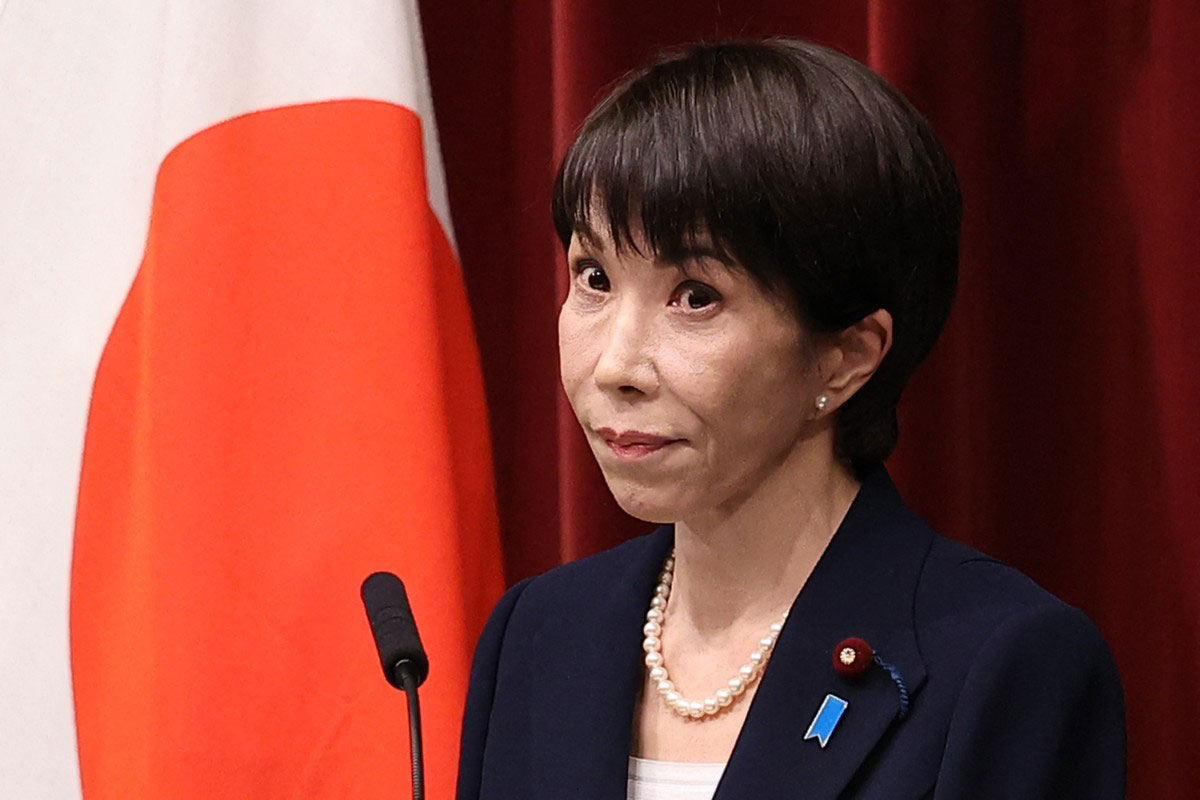
January 21, 2026
Tokyo – “I bet my future on the House of Representatives elections”. Japanese Prime Minister Sanae Takaichi announced the dissolution of the House of Representatives, expressing her desire to stabilize the government’s foundation, implement measures to increase prices and strengthen the country’s defense capabilities.
The dissolution at the beginning of an ordinary parliamentary session was a move that surprised everyone. The opposition parties intend to respond by forming an axis of unity. The Liberal Democratic Party was initially considered to have an advantage due to its high approval rating for the city cabinet. But this view may be too optimistic.
This election will be a critical choice: will it lead to a stable system of government or trigger significant political change?
At a news conference, Takaichi formally announced her intention to dissolve the House of Representatives at the start of the regular session of Congress on Friday. The official campaign will begin on January 27, with voting and counting taking place on February 8.
The prime minister said she wanted to seek a mandate from the people. “I want to take it up a notch to implement the policy.”
The last House of Representatives elections were held in October 2024. Just 15 months later, her move to seek voter authorization again was met with criticism.
However, the political landscape has certainly changed dramatically since then. Takaichi became the new prime minister, and the coalition framework shifted to the Liberal Democratic Party and the Japan Innovation Party. Furthermore, the ruling coalition barely holds a majority in the lower house.
At a press conference, the Prime Minister expressed determination to continue the Government’s “responsible and proactive approach to public finance”. The first year of high school also emphasized the importance of measures such as strengthening the defense industrial base.
The prime minister may want to build on the public mandate gained at the general election and choose a governing party that will steadily address domestic and foreign policy challenges.
Both the ruling and opposition parties have made campaign pledges to cut or even abolish the consumption tax as a response to rising prices.
Excise taxes are a core revenue source that supports pensions, health care and other social programs. How do they plan to maintain Social Security if this steady source of funding is cut off? It is extremely irresponsible for both the ruling and opposition parties to advocate tax cuts that would shift the burden to the future in order to gain short-term support.
This is the first time the Liberal Democratic Party has promised to cut the consumption tax in a national election. It appears that it is being held back by the demands of its alliance partner JIP, but this is simply too frivolous.
At the same time, the newly formed centrist reform alliance of the Cadets and Komeito announced their party platform and basic policies.
The China Democracy Party, which had previously advocated the “abolishing of the unconstitutional parts of the security-related legislation,” has now made clear its position that the legislation is “constitutional.” On energy policy, it abandoned the “zero nuclear power” pledge in the party platform.
This shift shows how unrealistic China Democracy Party’s previous claims were. However, this policy change may attract support from some conservative voters, so it is important to pay close attention to voters’ judgment.
(Excerpted from the Yomiuri Shimbun on January 20, 2026)