The Tamesis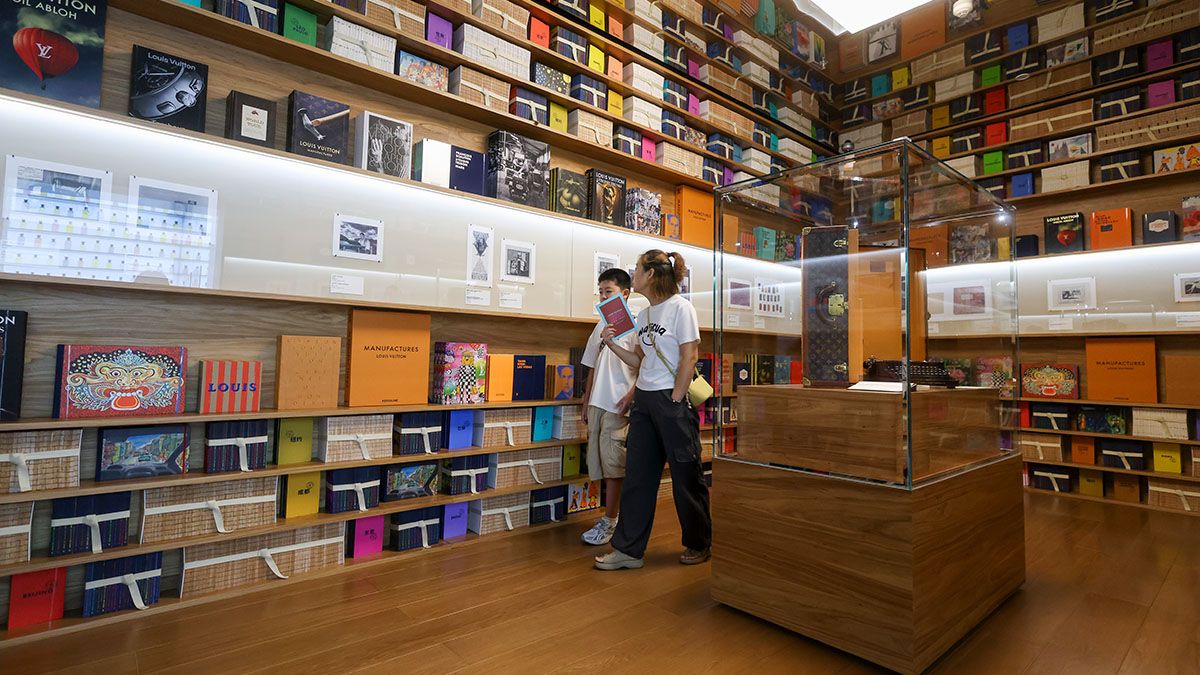
Food and beverages continue to be an effective way to keep customers in stores longer. Sarah Andelman, founder of consultancy Just An Idea and former Paris concept store Colette, points out that constant novelty is key to preventing these spaces from appearing formulaic. “The way to make it feel fresh is to offer something you didn’t have last month – yes, we have new ranges, and in the cafe we just launched a matcha collaboration with this guy from Japan that’s only available for a month,” she advises. She said the Ralph’s Coffee chain, owned by Ralph Lauren, has been doing well.
Others gravitate towards art, design and culture. Jacquemus’ Los Angeles store features vintage jewelry, while the London store offers art from the designer’s personal collection. JW Anderson has expanded its product range from fashion to lifestyle and cultural products. Andelman recalled Tiffany’s 2023 Basquiat installation at its New York flagship store, which transformed the store into a cultural destination rather than just a simple point of sale.
While many brands have long talked about turning stores into “lifestyle destinations,” this ambition has rarely translated into a real expansion of how consumers use the retail space. But recent openings indicate where bricks-and-mortar retail is heading next. In October, Frasers Group opened a flagship store in Liverpool for Sports Direct, featuring an Everlast gym on the top floor, which includes a Hyrox fitness station, a Pilates bodybuilding room and a sauna and ice room. Kith’s London post opened in November and features a restaurant serving pastrami sandwiches and caviar sliders, a cereal and ice cream bar, and a cultural center with a premium sound system.
By 2026, experts expect more brands to adopt a true mixed-use retail model, where stores serve as social venues, wellness spaces or cultural hubs.
Localization in a globalized world
Major groups are shrinking their store networks, in part because top customers are increasingly visiting the same flagship stores in different cities. If customers can buy the same product in London, Paris and Shanghai, what motivates them to walk into a store abroad? The answer lies in hyperlocal storytelling.
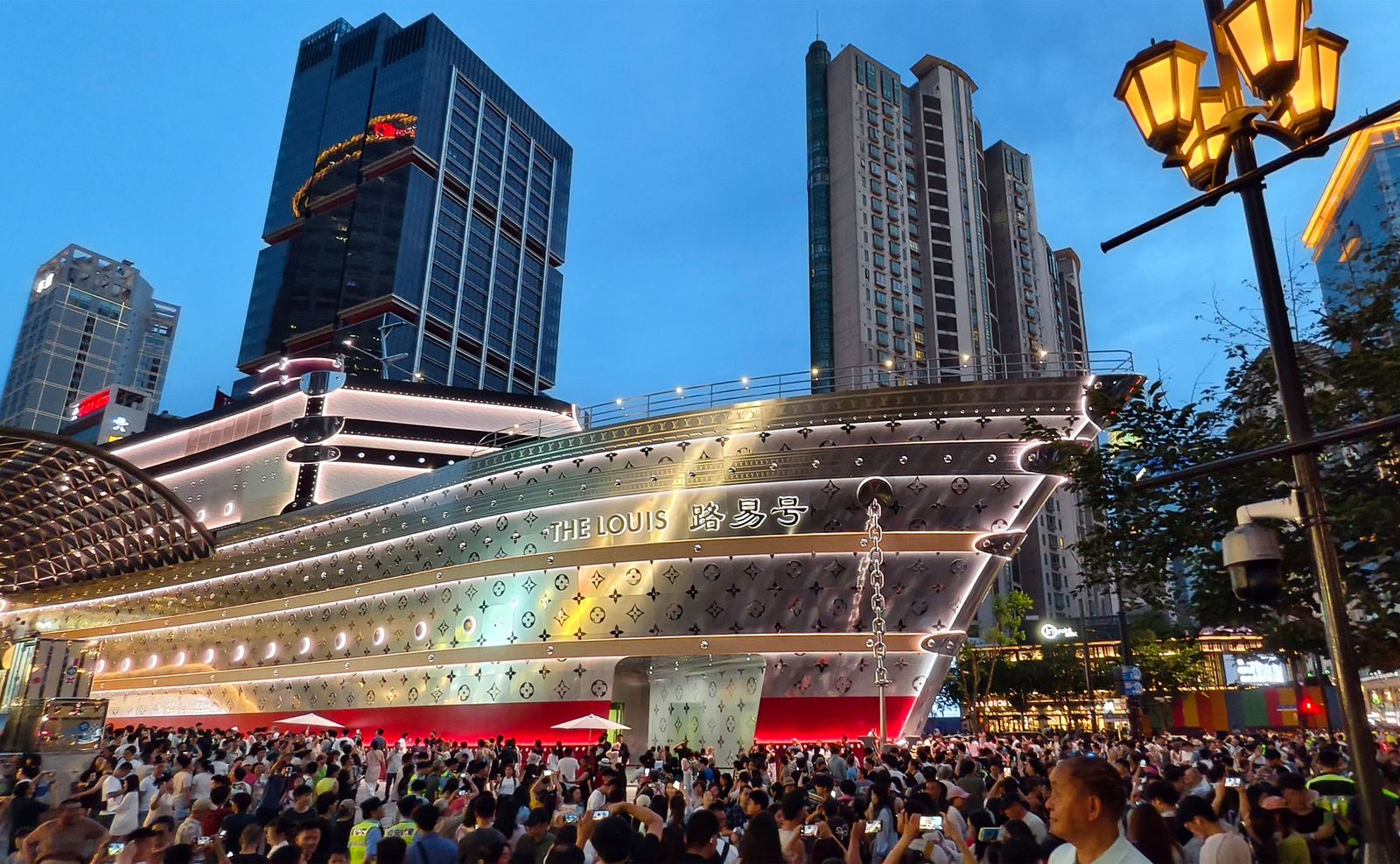
Andelman pointed to Louis Vuitton’s flagship differentiation. “Even if it’s the same product, the approach is different — in New York you can read a book while drinking coffee, or there are different chefs working in each city, whether it’s Paris or somewhere in Asia,” she said. Another example is the different window installations in different cities created by the brand in collaboration with artist Yayoi Kusama. “It’s these little moments that captivate online content and capture your attention because people come in to discover the uniqueness of the building, the service, or even the chocolates for Valentine’s Day,” she said. For retailers, partnering with brands on exclusive products can become more competitive, as limited releases attract attention and drive sales.