The Tamesis
If you’ve heard about the benefits of resveratrol, you know it’s a powerful antioxidant that you need more of; but what we get naturally may not be enough. It turns out that the best resveratrol supplements more precisely get the amount needed to produce clinical effects. “Many consumers believe that they can get an effective dose of resveratrol through diet or drinking red wine,” says Suzanne Steinbaum, MD, board-certified cardiologist and founder of Heart-Tech Health. “But to achieve a typical supplemental dose of resveratrol (about 250 mg), one would need to consume more than 1,000 glasses of red wine.”
fashion magazine Favorite resveratrol supplements
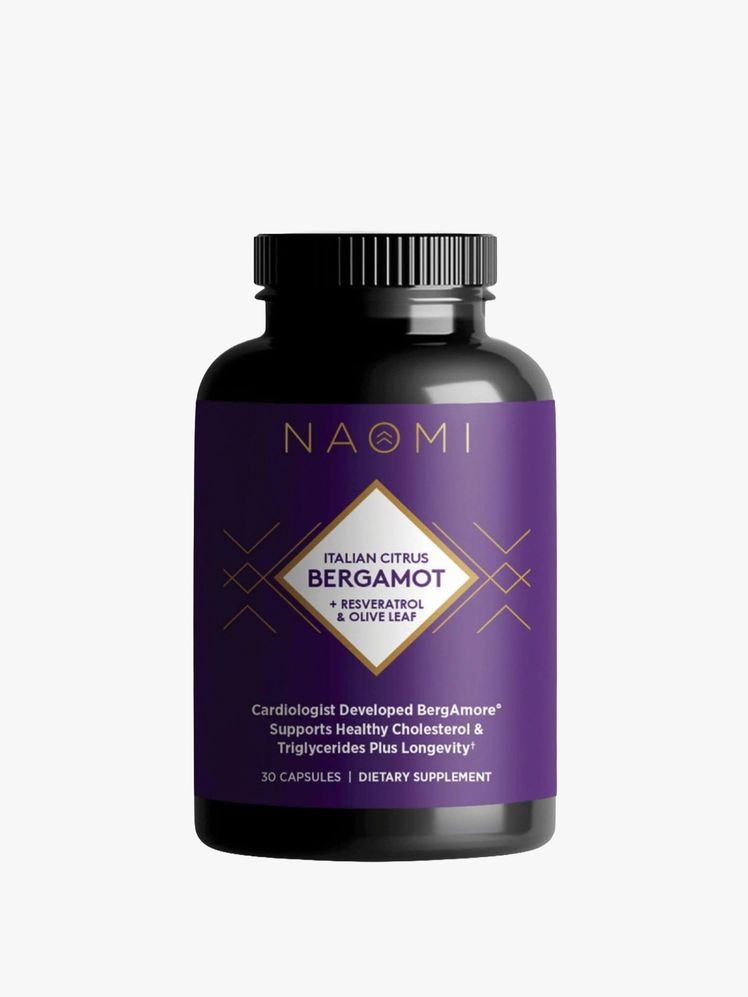
Naomi Italian Citrus Bergamot 500mg + Resveratrol
Jump to comments
The good news is that the best resveratrol supplements can help fill any nutritional gaps so you can reap the benefits. Resveratrol is not only a powerful antioxidant in skin care products; It’s also key to boosting your defenses against free radicals, which cause cell aging throughout the body. Often associated with the heart-healthy benefits of red wine—often referred to as the French Paradox—resveratrol has received widespread attention for its beneficial effects in supporting health through multiple biological pathways. “Studies have shown that it activates sirtuins and AMP-activated protein kinases (AMPK)—often referred to as the body’s metabolic master switch,” explains Dr. Steinbaum. “This activation enhances fatty acid oxidation, improves mitochondrial function, and increases NAD+ levels, which together support heart, brain, immune and metabolic health, and a balanced inflammatory response.” Additionally, while more extensive trials are needed, a small but promising new study from the Advanced Center for Cancer Treatment, Research and Education in Khargarh, Navi Mumbai, shows that a combination of resveratrol and copper supplements reduced the aggressiveness of glioblastoma brain tumors in patients. Research shows that resveratrol can act as a DNA-damaging agent by creating an oxidative environment that produces reactive oxygen species (ROS) when paired with copper ions, a breakthrough discovery that could revolutionize the future of cancer treatment.
While we do love a glass of red wine, we spoke with a top cardiologist and registered dietitian to break down everything you need to know about resveratrol, including the five best resveratrol supplements to consider.
In this story:
Best Resveratrol Supplements Overall: Pure Capsules Resveratrol EXTRA
- Why we love it: Many professional nutritionists, nutritionists, and doctors recommend Pure because of its strict quality standards, clean formulas, and commitment to third-party testing. Trans-resveratrol from Japanese knotweed is the star ingredient in this powerful capsule, but it’s also backed by red wine grape concentrate and grape seed extract. “High-quality resveratrol supplements typically combine concentrated extracts of Japanese knotweed with organic grape and muscadine sources,” says Dr. Steinbaum. “This provides a broader, more complete spectrum of beneficial polyphenols.” Most importantly, it focuses on the bioactive form of resveratrol. “The most important factor in choosing a resveratrol supplement is to ensure that the resveratrol is provided in its active form,” says Dr. Steinbaum. “Product labels should clearly state that they contain 100% trans-resveratrol, the bioactive isomer.”
- Main ingredients: Trans-resveratrol in Japanese knotweed, red wine grape extract, grape (seed) extract
- form: capsule
- dose: 1 capsule
Best NR Resveratrol Supplements: Thorne Reswell Russell
- Why we love it: The top choice of registered dietitian and Real Nutrition founder Amy Shapiro, MS, RD, CND, you’ll find ingredients like nicotinamide riboside, quercetin phospholipid complex, and trans-resveratrol in this high-quality formula. If you’ve heard all the rumors about NAD+, you may remember that NR is a precursor to NAD+ and helps stimulate the production of NAD+. “I like this option because it pairs resveratrol with nicotinamide riboside (NR), which supports cellular energy and aging pathways,” Shapiro says. “Thorne offers well-researched, clinical-grade formulas.” Thorne also undergoes rigorous testing and collaborates with independent researchers at places like the Mayo Clinic and the National Institutes of Health to ensure its products are high-performing, safe and effective.
- Main ingredients: Nicotinamide riboside hydrogen malate, quercetin phospholipid complex, trans-resveratrol
- form: capsule
- dose: 2 capsules
The Best Resveratrol Supplements for Cardiovascular Health: Naomi JItalian Citrus Bergamot + Resveratrol
- Why we love it: While resveratrol has incredible benefits, such as healthy aging and longevity, heart health, inflammation balance, and metabolic health, Shapiro points out that it should be viewed as a small part of an overall healthy lifestyle rather than a single solution. So any time we can combine its benefits with other ingredients to support our health, the results are even better. Naomi’s capsules not only contain a patented extra-strength trans-resveratrol blend of three of Dr. Steinbaum’s recommended powerful ingredients (Japanese Knotweed, organic French whole red grapes, Muscat grape skins and seeds), but also contain olive leaf extract and a patented citrus bergamot extract called BergAmore, sourced from Calabria, Italy, which is rich in polyphenols. Together they provide stronger, more comprehensive cardiovascular support. “I love that these are one of the few products on the market that contain organic resveratrol in the form of active trans-resveratrol,” adds Dr. Steinbaum, who also serves as the brand’s medical advisor. “They are also clean label certified and contain no additives like magnesium stearate or other synthetic flow agents.”
- Main ingredients: BergAmore, Resveratrol Complex and Olive Leaf Extract
- form: capsule
- dose: 1 capsule
Best Resveratrol Supplement Absorption: Healthy Design Resveratrol Supreme
- Why we love it: Another one of Shapiro’s favorites, this capsule ensures you’re effectively digesting and absorbing resveratrol to reap its health benefits. “I love this formula because it pairs it with quercetin, a flavonoid found in capers, red onions, broccoli, kale, and more,” says Shapiro. “Adding quercetin or healthy fats to the ingredients list can help increase the absorption of resveratrol.” It’s also third-party tested, and only requires one capsule per serving, making the consistency more manageable—a huge win for those who can’t stand adding another fortified supplement to their regimen.
- Main ingredients: trans-resveratrol, quercetin
- form: capsule
- dose: 1 capsule
Best Budget Resveratrol Supplements: Gaia Herbs Resveratrol
- Why we love it: These capsules from Gaia are Vegan, USDA Organic, and Non-GMO Project Verified, proving you don’t have to spend a fortune to get the antioxidants you need to support healthy aging. While it may be a cheaper option, it’s just as powerful with 150 mg of trans-resveratrol per capsule (so a total daily dose of 300 mg). “When it comes to supplements, I always focus on quality over quantity,” Shapiro says. “For resveratrol, capsules tend to be more stable than powders, which degrade when exposed to oxygen, sunlight, etc. and at doses in the 100-300 mg range.”
- Main ingredients: trans-resveratrol, Japanese knotweed
- form: capsule
- dose: 2 capsules
Resveratrol is a type of phytonutrient called polyphenol. “Polyphenols are natural antioxidant compounds found in plant foods that provide a variety of health benefits,” says Dr. Steinbaum. “Plants produce resveratrol to defend against stress, pathogens, and UV damage.” Resveratrol occurs naturally in some plants, so you can get small doses of it in your diet. “Because it’s an antioxidant, consider purple-blue tones like red and purple grapes, blueberries, and cranberries, as well as peanuts, pistachios, dark chocolate, and Japanese knotweed,” Shapiro says.
Resveratrol can be taken topically or orally. “I like to think of topical resveratrol as topical protection, which works where you put it,” Shapiro says. “Resveratrol is taken orally as a more systemic support.” In skin care, resveratrol acts as a powerful antioxidant, helping to prevent damage and neutralize free radicals. “This can make skin look brighter, help prevent wrinkles, protect collagen and reduce signs of aging,” says Shapiro. “As a supplement, resveratrol works throughout the body to reduce inflammation, promote cardiovascular health, and reduce cellular aging.”
Resveratrol health benefits
Resveratrol is a powerful antioxidant that helps fight free radicals, essentially helping to slow down cellular aging. When taken as a supplement or from natural food sources, these antioxidants can help reduce oxidative stress, lower blood pressure, and more. Resveratrol is known for its potential role in healthy aging, Shapiro said. “It works at the cellular level over time, so it’s not a quick fix but a component of the long-term benefits,” she said. According to research, resveratrol has many health benefits, and Shapiro outlines some of them:
- Supports cellular health and longevity pathways (including activation of sirtuin proteins, often called “longevity proteins”).
- Helps reduce oxidative stress and inflammation.
- Supports cardiovascular health by improving endothelial function (keeping blood vessels like arteries and veins healthy and responsive)
- May enhance mitochondrial function, aiding energy production and metabolism.
What are the benefits of taking resveratrol?
There are many benefits to taking resveratrol. “The most compelling research shows that resveratrol can mimic the effects of calorie restriction by activating Sirtuin,” said Dr. Steinbaum. “This mechanism provides cardiometabolic benefits, supports healthy blood sugar and insulin sensitivity, and promotes a balanced inflammatory response.” By taking resveratrol as a supplement, Dr. Steinbaum says it can exert systemic effects by affecting cell signaling pathways such as sirtuins (associated with healthy aging) and AMPK (associated with metabolic health).
What are the side effects of resveratrol?
According to Dr. Steinbaum, resveratrol is generally well tolerated. However, if you typically have a sensitive stomach, you may want to avoid higher doses. “At high doses, such as over 500 milligrams, some people may experience mild gastrointestinal discomfort, such as bloating or nausea,” says Dr. Steinbaum. As always, talk to your doctor before starting any form of supplementation.
When we test and review products, we take a holistic approach to provide comprehensive product recommendations. First, we rely on FashionWe have a vast network of experts, from board-certified dermatologists to registered dietitians, to gain expert acumen on the industry’s standout products that they actually recommend to their customers. We combine their expertise with our editorial best practices to curate the thoughtful edits you read on our site.
As it relates to resveratrol, we selected the best ones based on the following characteristics: ingredient composition (i.e. the vitamins and minerals contained), form, dosage, clinical studies, certifications, and the body and health problems they address. We do this by combining our own testing of supplements with expert guidance and reviewer insights to determine which supplements we’ll recommend to you.
- Amy Shapiro MS, RD, CND is a registered dietitian, nutritionist, and founder of Real Nutrition.
- Dr. Suzanne Steinbaum is a board-certified cardiologist in New York City and CEO/Founder of Heart-Tech Health, a comprehensive health platform designed to prevent cardiovascular disease. She has previously served on national medical advisory boards for several companies and is currently a medical advisor for supplement brand Naomi.