The Tamesis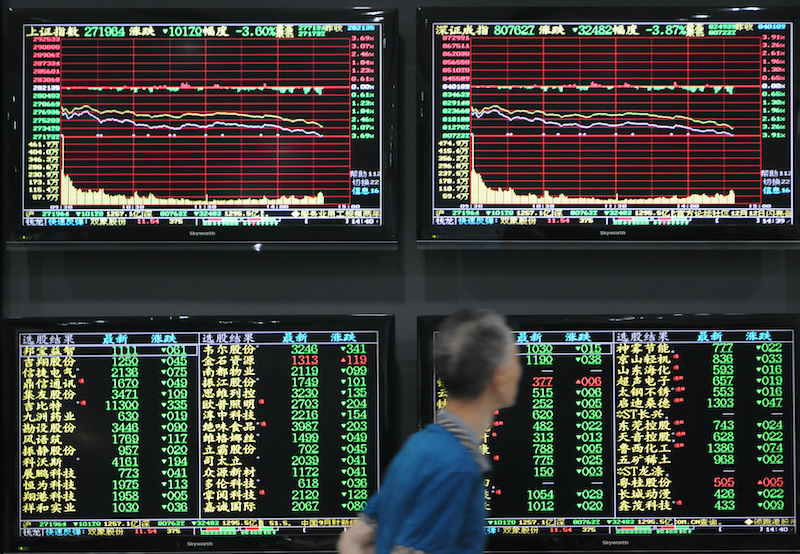
Record market levels in Taiwan and South Korea helped emerging Asia stocks rise to near five-year highs in Monday trading.
Investors continue to favor AI-related assets and appear to be turning a blind eye to U.S. military intervention in Venezuela.
The MSCI Emerging Asia Index rose about 2% to reach its highest level since late February 2021, while the Asean Index hit its highest level since January 30, 2020.
See also: BYD struggles at home, but record foreign sales help it beat Tesla
The broader index of global emerging market stocks extended gains for a seventh straight session and was just a few points shy of the all-time high hit earlier in the day.
Global markets shake off U.S. influence Venezuelan President Nicolás Maduro arrested over the weekend and issued warnings of further attacks on Venezuela and threats of military action against Colombia and Mexico.
However, geopolitical turmoil has injected new risks into global financial markets, especially oil markets, as Maduro’s arrest could unlock Venezuela’s vast oil reserves and exacerbate a supply glut.
Vishnu Varathan, head of macro research for Asia ex-Japan at Mizuho Bank, said sanctions on Venezuela and its heavy reliance on oil exports mean the impact of regime change through trade or investment channels is “limited and limited.”
TSMC shares soar
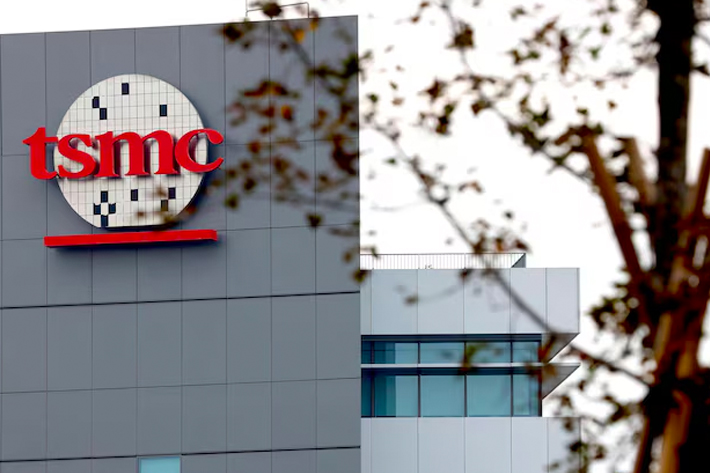
In Asia’s emerging markets, Taiwan’s benchmark index rose 2.6% on the day to a record closing level of 30,105.04 points, driven by a 5.4% surge in shares of TSMC, the world’s largest contract chipmaker.
South Korea’s Kospi rose 3.4% to close at a record high of 4,457.52 points.
Taiwan and South Korea stock markets are the biggest beneficiaries of AI trading in 2025, and they will remain in favor as investors continue to be optimistic about AI.
Song Zhe, a senior investment expert at BNP Paribas in Hong Kong, said: “U.S. artificial intelligence capital expenditures should remain an important driver of the Asian technology industry, but the market is shifting from ‘bigger spending’ to ‘better returns.'”
“We’re still seeing years of build-out: hyperscalers are in a competitive arms race, and power, network and memory constraints tend to extend cycles rather than prevent them.”
Singapore, Jakarta near record highs
Stocks in Singapore and Indonesia were also trading near record highs, rising 0.7% and 1% respectively.
Asian emerging market currencies strengthened against the dollar, with indexes jumping to more than three-week highs against a basket of major currencies.
The Malaysian ringgit fell about 0.5% and the South Korean won fell 0.2%.
South Korean policymakers pledged to stabilize the won by addressing structural foreign exchange imbalances, with Finance Minister Koo Yoon-cheol adding that the government would provide tax incentives for long-term domestic stock investments.
The Thai baht rose 0.4% to $31.36, threatening to resume its gains after falling 2% during the year-end holiday period.
Other highlights include:
- India’s 10-year sovereign bond yield jumped to 6.643%.
- Indonesia’s trade surplus was smaller than expected due to rising inflation.
- Japanese bond yields hit nearly 30-year highs amid bets from the Bank of Japan to raise interest rates.
- The minister said that the Philippine economic growth rate in 2026 is expected to be 5.0% to 6.0%.
- Reuters Additional editing by Jim Pollard
See also:
South Korean and Chinese stocks post highest gains in years amid AI boom
Meta acquires an artificial intelligence startup founded in China, regarded as the “next DeepSeek”
Another Chinese chip company’s massive IPO sparks hype worries
China now requires chipmakers to use at least 50% domestic equipment
Solar power surge, data centers fuel China’s battery boom
China hopes to solve problems of addiction and self-harm caused by artificial intelligence imitating humans
Seoul accuses former Samsung employee of leaking DRAM technology to China
China’s big technological secret: Dutch chip-making machine replicated in laboratory
Japan will test mining “rare earth mud” from the deep seabed
U.S. begins review of license to sell H200 chips to China