The Tamesis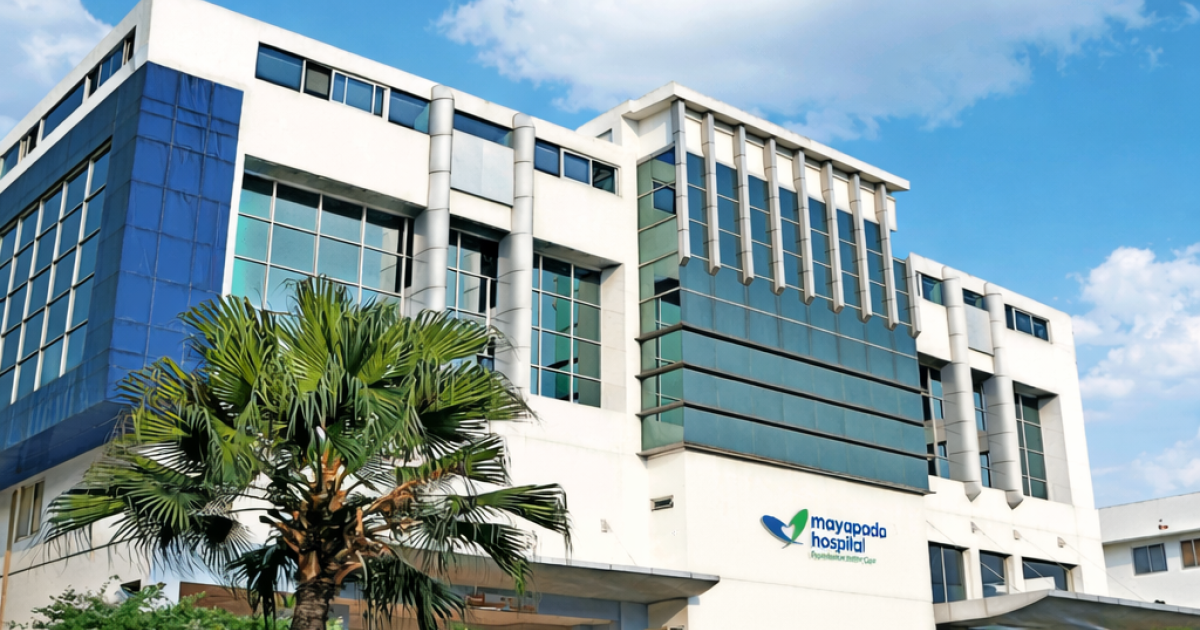
The goal is to make test results consistent across hospitals.
Mayapada Healthcare has embarked on a group-wide effort to reduce errors that occur prior to laboratory sample testing, which is the area where errors most commonly occur.
The program began with an on-site inspection of Mayapada Hospital in Bogor, West Java. Launched in Indonesia on November 20, 2025, and will be expanded to the entire hospital network. The focus is on how to arrange testing, sampling and processing of samples prior to analysis, not on new equipment.
“The pre-analytical phase is the most critical phase in laboratory services as most diagnostic errors occur before samples are analyzed,” Dennis Jacobus, head of Mayapada Laboratory Network, told Healthcare Asia. “Our priority is ensuring patients receive an accurate diagnosis from the outset so that treatment decisions can be made faster and more accurately.”
As cases become more complex, hospitals are under pressure to provide accurate results faster. In laboratory work, most errors occur before the sample reaches the analyzer, making this stage a critical factor in diagnostic quality.
Rather than adding technology, Mayapada standardizes basic hospital workflows. These include sample labelling, storage, shipping and recording. The goal is to reduce differences between sites and make test results more consistent.
Dennis said the program follows established international laboratory practices. “Globally, laboratory quality improvement is increasingly moving toward standardizing preanalytical processes according to international guidelines,” he said in an emailed response to questions. This approach reduces procedural variation and supports more consistent quality across facilities.
The review of Bogor Hospital provides a baseline. The findings are used to compare practices across locations and decide which issues need to be addressed first.
Mayapada uses digital review tools to record findings and convert them into comparable data. This helps identify problems that may not be visible through routine inspections.
Dennis said the digital review allowed them to objectively identify gaps and make recommendations for improvements based on evidence.
The team tracks progress through practical measures, including reduced sample handling errors, better adherence to procedures, faster turnaround times and more reliable results.
Dennis said these metrics are reviewed regularly to confirm that the changes improve accuracy and quality of service.
The program also covers employee competencies. Mayapada is rolling out structured training, on-site coaching and regular inspections to ensure staff apply the same procedures across all hospitals.
“Our goal is to ensure that all healthcare workers follow pre-analytical guidelines that meet international standards,” Dennis said, adding that patients should receive accurate test results regardless of where they are.