The Tamesis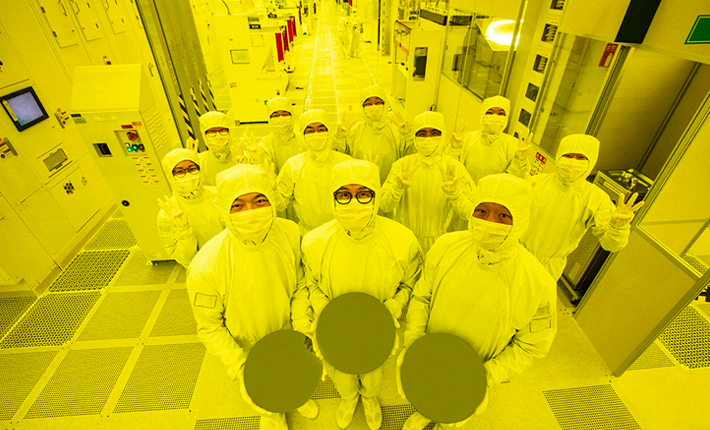
Workers at South Korean chip giant Samsung Electronics on Wednesday approved a deal with management that will provide huge annual bonuses after threatening a mass strike – thanks to a surge in profits driven by the global artificial intelligence boom.
The agreement with union members means about 78,000 of the company’s 125,000 domestic employees are eligible for bonuses of about $370,000 this year, based on market estimates of annual operating profits.
Samsung’s largest union said in a statement that more than 73% of its members supported the deal during a six-day electronic vote. The deal was struck at the last minute last week to avert an 18-day strike that had raised concerns about the impact on South Korea’s economy.
See also: Stocks fall, oil near $100 after US attacks Iran’s ‘mine layer’
One 23-year-old chip worker, who requested anonymity, told AFP: “This is not yet where we want it to be… We just have to accept what we get.”
The employee acknowledged there had been criticism of the huge spending both within the company and from the public at large, but said “people were just talking bad about us without even trying to understand the situation.”
Samsung’s earnings have been boosted by frenzied demand for memory chips that power artificial intelligence data centers.
The company said in April that first-quarter operating profit soared about 750% year-on-year, while its market value topped $1 trillion for the first time this month.
Annual bonuses for semiconductor unit employees will amount to 10.5% of the unit’s operating profits under a 10-year agreement tied to ambitious performance targets by the union.
Bonuses will be paid in stock plus 1.5% in cash.
“Golden Ticket”
The bonus plan heightened tensions between employees in other divisions, as well as subsidiaries and shareholders (who would receive different rewards under the agreement).
The prospect of a strike has sparked broader concerns in South Korea, where Samsung Electronics alone accounts for about 12.5% of the country’s gross domestic product and memory chips account for about 35% of exports.
It has also sparked debate over how profits from AI should be distributed.
A senior presidential official has floated the idea of a “national dividend,” arguing that excess tax revenue related to artificial intelligence could be used to support social welfare programs.
Analysts say huge bonuses could help prevent engineering talent from moving overseas as U.S. companies such as Tesla ramp up investment in artificial intelligence chips.
According to Samsung’s labor union, employees Rival chipmaker SK Hynix The company, whose shares rose 11% on Wednesday and has a market value of $1 trillion, received more than three times the bonus Samsung paid out last year.
The windfall promised by the two companies has greatly improved the social status of South Korea’s chip engineers.
This month, a simple jacket bearing the SK Hynix logo went viral on social media, seen as a symbol of wealth and success, with parody posts describing it as a “golden ticket” to luxury boutiques or better dating prospects.
Yonhap said jobs at Samsung and SK Hynix now guarantee “an increase in marriage market value,” citing a rise in the “attractiveness index” compiled by matchmaking agency Sunoo, catching up with professions such as doctors and lawyers.
“Dissatisfaction with TMSC”
There are reports that workers at Taiwanese chip production giant TSMC, which has also posted record net profits due to demand for artificial intelligence, are unhappy with similar issues.
The Samsung deal is spurring labor demand across South Korea, with workers in industries ranging from biotech to automobiles to shipbuilding demanding a greater share of corporate profits through bonuses.
Within Samsung Electronics, the deal deepens divisions between employees in its highly profitable semiconductor business and other divisions such as mobile, displays and consumer electronics where profits have stagnated or fallen.
A smaller union representing workers outside the semiconductor sector tried to block the vote, while some shareholders also objected, arguing the deal was not approved by them.
Discontent is also spreading among employees at Samsung’s subsidiaries, including Samsung Display, Samsung SDI and Samsung Electro-Mechanics, which are separately listed and offer much smaller bonuses.
Oil prices fall on peace hopes
Meanwhile, stocks diverged and oil prices fell as investors tracked optimism about artificial intelligence and fragile U.S.-Iran talks aimed at ending war in the Middle East.
International benchmark Brent crude futures fell nearly 3% on renewed hopes for a deal to reopen the blocked Strait of Hormuz.
New U.S. strikes against Iran on Monday dampened hopes of a breakthrough, with investors also focused on talks between Washington and Tehran to end the Middle East war.
Iran’s Revolutionary Guards said on Wednesday they were unlikely to resume war with the United States, while warning they were prepared for any attack.
The statement came a day after Iran accused Washington of violating a ceasefire that has been in place since April 8. The country’s intelligence ministry said it believed the United States and Israel still wanted to overthrow the Islamic republic.
The Middle East war that began in late February has disrupted the Strait of Hormuz, a key oil and gas trade corridor, pushing up energy prices and exacerbating global inflation.
Market is mixed, tech booms
European stocks were higher at midday, with Paris and Frankfurt both up more than 0.5% and London edging slightly higher.
In Asia, markets overall were mixed. Shares of South Korean chipmaker SK Hynix rose 11%, joining regional technology giants Samsung Electronics and TSMC in the trillion-dollar market capitalization.
The move follows a strong performance on Wall Street, with the S&P 500 and Nasdaq hitting new record highs. The share price of US chip manufacturer Micron Technology rose nearly 20%, and its market value reached US$1 trillion.
“The tech boom is back,” said Kathleen Brooks, research director at trade group XTB.
She added: “The surge in U.S. stocks is boosting Europe, where market sentiment remains high.”
Key data around 1100 GMT
North Sea Brent crude oil: fell 2.9% to $96.71 a barrel.
West Texas Intermediate crude oil: fell 3.9% to $90.19 a barrel.
Hong Kong – Hang Seng Index: down 1.1% to 25,328.23 (close).
TOKYO – Nikkei 225: unchanged at 64,999.41 points (close).
Shanghai – Composite Index: fell 1.3% to 4,093.73 (close).
LONDON – FTSE 100: up 0.2% to 10,509.88.
PARIS – CAC 40: up 0.9% to 8,249.56.
FRANKFURT – DAX: up 0.6% to 25,338.83.
USD/JPY: rose from 159.30 yen to 159.38.
- AFP Additional comments and editing by Jim Pollard
See also:
Huawei says its new advanced chip technology can circumvent U.S. restrictions
Samsung shares rise on UnionPay deal, but legal test looms
AMD will invest more than US$10 billion in Taiwan to improve AI chip packaging
China consumer spending and factory output fall in April
Xi Jinping warns Taiwan could cause ‘conflict’ as Trump summit begins
China DeepSeek says new V4 AI model can run on Huawei chips
Chinese AI circuit board company raises US$2 billion, becomes Hong Kong listed company of the year
China’s top streaming site criticized for AI actor ‘database’
Bytedance’s viral video model shows China’s growing control over AI