The Tamesis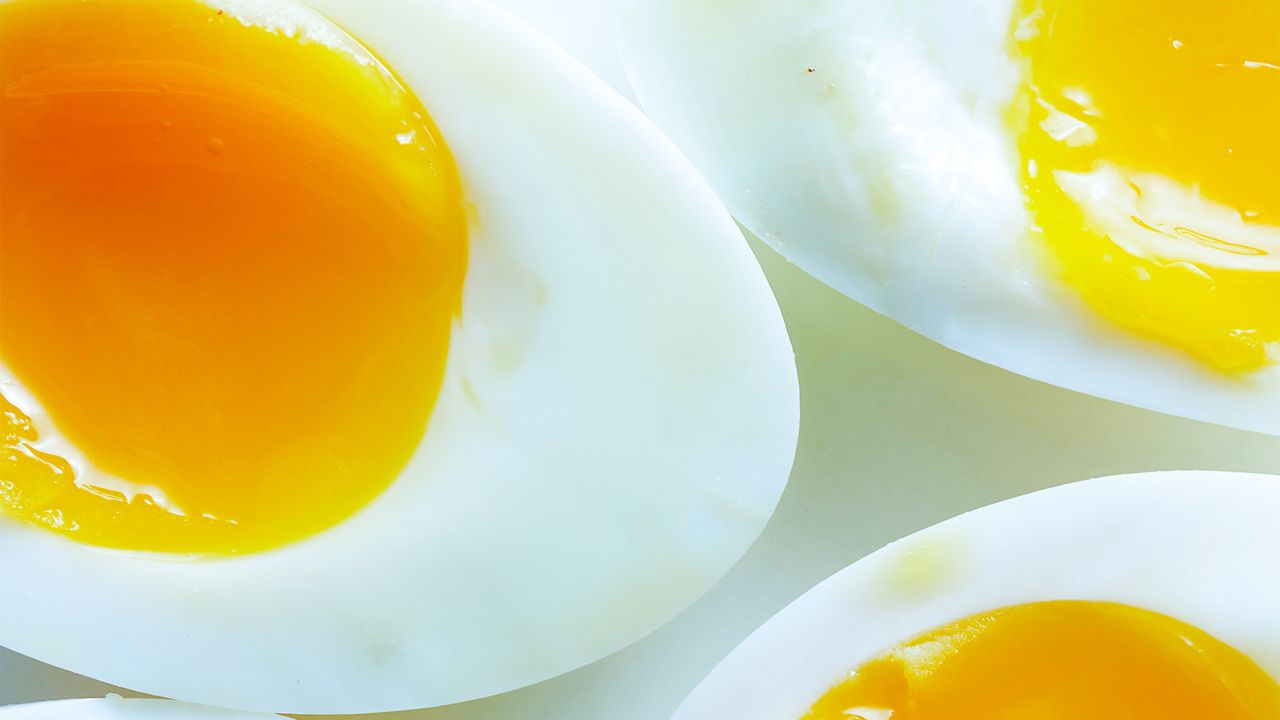
Supporting your immune system is a year-round job. If you’re feeling like your morning glass of orange juice or your zinc supplement isn’t cutting it, consider the humble egg: This fridge staple is a nutrient-dense, high-protein, immunity-boosting hero.
Maybe you feel a nagging fatigue, or a scratchy feeling in the back of your throat. What do you do when your immune system feels compromised? Yes, your first thought might be to eat more vitamin C-rich foods like oranges and omega-3s, but eggs are an important factor too.
How does diet affect your immune system?
Before we discuss eggs, it’s important to understand how your diet affects your immunity. According to a scientific review published in the journal nutrients, 70 to 80 percent of your immune cells are found in your gut. The review notes that gut microbiota influence T cells (disease-fighting white blood cells) and “can support the suppression of inflammatory responses.”
“Diet plays a very important supportive role in immune function,” says Heather Viola, a primary care physician and medical director at Mount Sinai Physicians College of Primary Care. “Diet does not necessarily ‘boost’ immunity, but it provides the minerals, vitamins and proteins needed by immune cells to develop, communicate and respond effectively.”
Are eggs good for immunity?
In short, yes. Eggs are considered a “high-quality” protein, meaning they “contain all the essential amino acids in the right proportions and are well absorbed,” Viola said. She added, “The immune cells and antibodies used for protection are made from amino acids.”
One amino acid found in eggs that is particularly important for immune function is tryptophan. scientific reviews published in journals Nutrition Frontier The report states that tryptophan is “essential for protein synthesis,” so it is critical for “cell division and development” and must be obtained from the diet.
“Tryptophan is particularly interesting because it is not only involved in immune regulation, but also in the serotonin and melatonin pathways, which link protein metabolism, sleep and immune function,” says Jan Stritzke, medical director of the German health resort Lanserhof Sylt.
Plus, eggs are “a nutrient-dense food,” he said. “In addition to providing highly bioavailable protein, they contain selenium, vitamin B12, folate, choline and small amounts of vitamin D, nutrients that aid immune function and cellular recovery.”
Still, Stritzke notes, “I wouldn’t call eggs a ‘miracle immune food,’ but they can certainly be part of an immune-supportive dietary pattern.” In addition to a diet rich in varied whole foods, it’s important to prioritize other factors, such as sleep and exercise.
What’s the best way to cook eggs to retain their nutritional value?
Viola recommends hard-boiled, poached or low-scrambled eggs to preserve their micronutrients.
What other foods support immune system function?
If you don’t like eggs, don’t worry. Fruits, vegetables, legumes, nuts and seeds all help support a strong, healthy immune system. Viola notes that vegetables rich in vitamins A and C are “especially helpful.” Fatty fish such as anchovies, salmon, and sardines are also good choices, as are fermented dairy products such as yogurt.
Is there a beauty or wellness trend you’re curious about? We want to know! send Fashion’Senior Beauty & Wellness Editor Email [email protected].