The Tamesis
The foundation category has gotten a whole new look. The brand once associated with heavy coverage and full-on tempo has evolved its products to suit customers’ preference for a natural, glowy look. Skin tints, hybrid serums, sticks, and more forms and formulas have expanded the definition of foundation—raising expectations for what was once a standard makeup product.
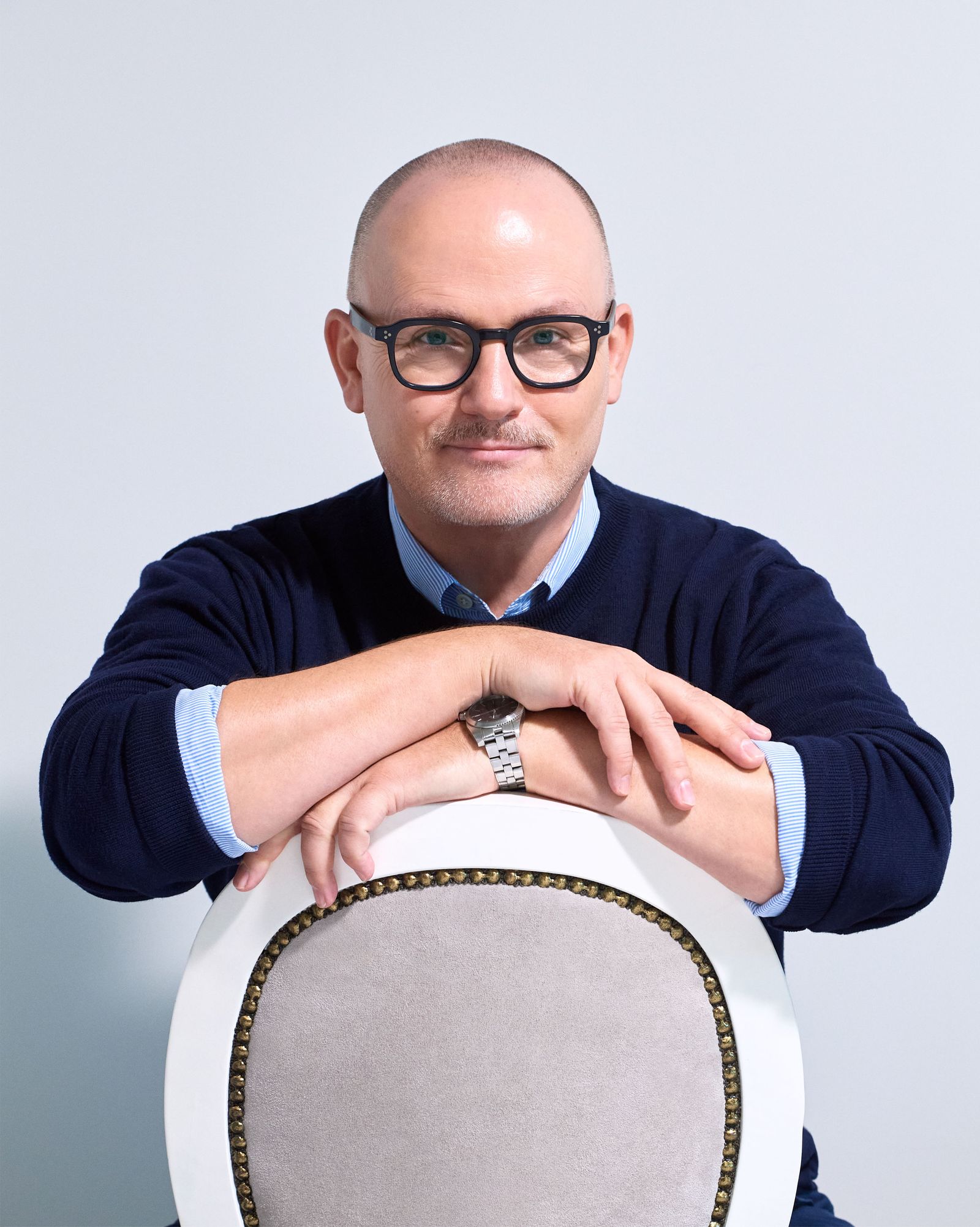
“A decade ago, foundation was just a paint job to cover, but now it’s a fusion with skincare,” says creative and image director Peter Philips, who has worked at Dior makeup for 12 years. “Consumers are more aware of formulas thanks to social media, and foundation trends are always changing — at one point, everyone wanted matte skin, then gloss or glass. Now, it’s all about glowy skin — another way of saying natural skin — which is the beautification of skin after a healthy treatment.”
Despite changes in consumer behavior, foundation is currently the fastest growing category among facial makeup (foundation, concealer, blush) and is expected to grow 4.5% to $20 billion by 2027, according to Euromonitor. Plus, if done right, it can make money: According to a report from McKinsey, consumers are more likely to splurge on foundation because the product is perceived to have significant differentiation in performance at different price points.
Unlike trendy makeup, which ranges from lip gloss to blush, foundation also builds a loyal base of consumers who return regularly for the same item, the brand said. Claudia Soare, president and creative director of Anastasia Beverly Hills, said that’s why legacy brands have so far been reluctant to change their product formulas. But they can no longer rest on their laurels: legacy brands are rethinking classic formulas in response to changing needs, while challenger brands are exploring new primer innovations to capture market share.
But Angharad Bate, purchasing manager at beauty retailer Lookfantastic, said foundation is still not an easy product to sell in today’s beauty market. “Reducing reliance on foundation is a key challenge for retailers and brands,” she said. “Foundations are becoming more incidental than what was previously considered necessary.”
Brands have to figure out how to ride the wave and pay attention to makeup trends while launching foundations that can become hot hero products for years to come. “This shift is both cosmetic and cultural. Consumers understand skin health, treatments, injectables, active ingredients and formulas. They want to improve the skin they spend time and money perfecting,” said Lauren Winslade, founder and CEO of PR and strategy firm Aisle 8.