The Tamesis
There comes a time in every girl’s life when all her paid time off and a good portion of her disposable income are allocated to her wedding. A stag weekend in Miami, a civil ceremony in London, a three-day destination wedding in Italy. Each event has its own dress code, color palette, and multiple costume changes.
Some cultures outside the West (including India, Pakistan, China, and Nigeria) are known for high-guest-count weddings that last over multiple days and feature multiple changes of clothing for guests. What’s newer is the way Western wedding culture is catching up, driven by destination travel, social media, and the rise of weddings as events with a highly curated aesthetic. While wedding guest consumers may be financially, logistically and sartorially exhausted, brands are tapping into the demand.
“Multi-day weddings have become mainstream on the wedding scene, both here and abroad,” says Matthew Shaw, wedding planner and founder of luxury event studio Saveur. “Couples are becoming more and more creative in the way they plan and host their weddings—we’re no longer just talking about a wedding party with a farewell brunch. A wedding is made up of multiple events, which often means multiple outfits.” Shaw says dress codes are becoming more specific and upscale, with couples often sending out multi-day lookbooks or visual mood boards.
“Even if someone doesn’t post regularly on social media, they’re almost always posting when they’re attending a wedding, so they’re under pressure to look especially good,” says influencer Greta Louise Tomé. She frequently attends weddings herself and finds followers to dress wedding guests in based on specific circumstances, from destination to dress code to budget. It also means avoiding the pressure of repeating an outfit, or worse, showing up in the same outfit as everyone else, especially if everyone buys the same brand and the same wedding guest edits.
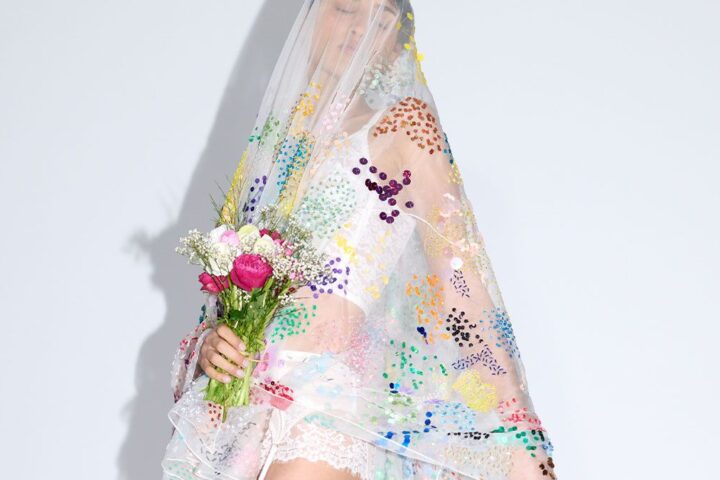
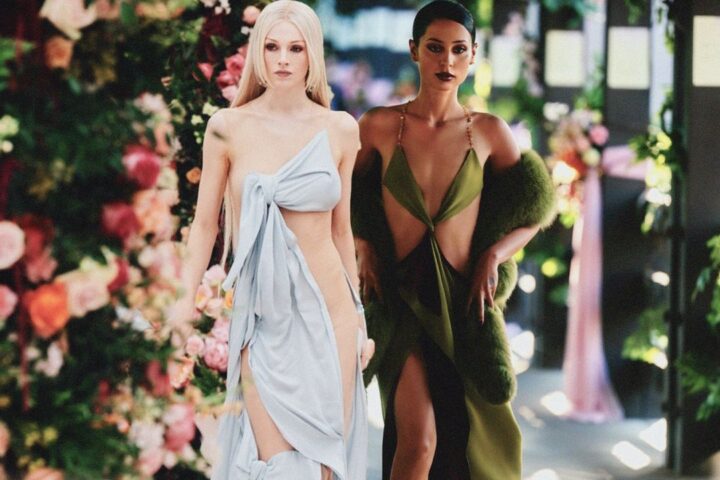
Tomé said most of her followers shop in the $300 to $500 price range and want something unique. She typically narrows her search based on her budget, starting with platforms like Forward, Revolve, Net-a-Porter and Mytheresa, or looking for more niche designers if she has a larger budget. “When it comes to wedding guest attire, color and texture are usually the first things that catch my eye. The market is so saturated now that many dresses are starting to look the same,” she says. Tomé sees demand for bright colors being particularly strong for destination weddings. “I’m always looking for pieces that feel unique. This could be a unique color, an interesting texture, or even a unique neckline. I want something special but also wearable. If it blends in with something else, it won’t look right.”
Brands and retailers alike are seeing the impact of growing demand from the wedding guest category. At Revolve, year-over-year growth in the category outpaced that of the overall business. “The wedding guest category is in an acceleration phase and I don’t see it plateauing anytime soon,” said Divya Mathur, chief marketing officer and fashion director. “The scope of weddings has changed dramatically. As a result, the scope of what guests are buying has expanded dramatically, and that shift has impacted how we curate purchases in the category and how we sell through channels.”