The Tamesis
Deeper storytelling drives momentum
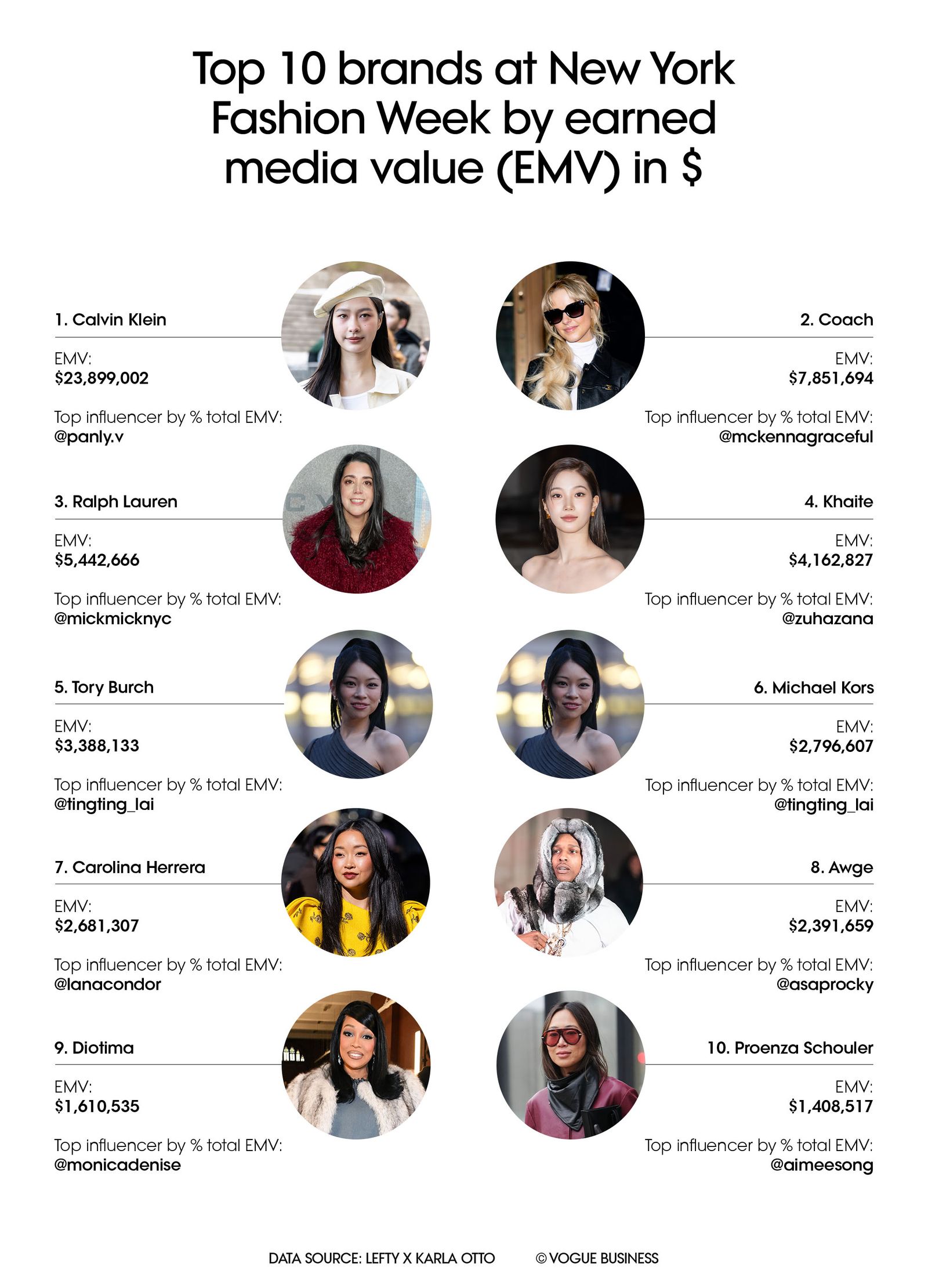
Beyond the runway, brands are increasingly looking to extend the longevity and impact of their collections through more purposeful, long-form storytelling. At Dior, this was developed through an interview with Bella Freud for Fashion Neurosis, in which Jonathan Anderson unpacked the inspiration behind the collection, giving viewers a more layered entry point into the work. His personal channel alone generated $938,000 in EMV, highlighting the growing value of designer-led narratives. The frenzy at Chanel stores has also led to deeper storytelling in the lead-up to the shows, from Gabriella Karefa-Johnson sharing group chat exchanges on Substack to creators posting shopping vlogs capturing the experience of trying to find sold-out bags and shoes.
Together, these moments point to a broader shift in how fashion is consumed. “From the brand itself to what people are saying about the show — you can definitely feel a shift toward more thoughtful and in-depth storytelling rather than just key takeaways,” Malic said.
She added that platforms like Substack have accelerated this need, allowing brands and commentators to go beyond surface coverage.
“EMV remains an important benchmark; it quantifies the impact of media, influencer and celebrity campaigns and allows brands to understand entry points at scale,” said Jenny Tsai, founder and CEO of WeArisma. “But what we are seeing now is a shift in how value is built.” She pointed to the growing role of time and longer-form platforms. YouTube, while still a smaller share of total value, grew 184% year-over-year, with brands working with higher caliber creators and publishers to produce more thoughtful, narrative-driven content. “These formats won’t necessarily generate the same EMV spike immediately, but they will build depth, context, credibility and long-term engagement,” she said.
These more engaged, informed audiences are also reshaping the tone of commentary itself. “It’s not just sitting there and saying, ‘I don’t like that shoe’ or ‘This looks terrible.’ They have a deep understanding of fashion,” said Andrew Lister, executive vice president at Purple PR, who noted that audiences are more critically literate about fashion and are invested in process, context and craftsmanship.