The Tamesis
Worried you’re not getting enough protein? For years, I wasn’t. In fact, I avoid protein like the plague. I thought if I ate too much protein and exercised, I would get bulky. It doesn’t help that I grew up in the 2000s, when cereal and granola bars were considered “health foods.” If you feel hungry in the morning, you’ll most likely be told to eat a bowl of Special K. The problem is solved!
So it’s no wonder I have a poor relationship with food – I only eat a bowl of fruit for breakfast. I had constant cravings, felt exhausted, and was mentally disturbed. And, for the record, my muscles are basically non-existent.
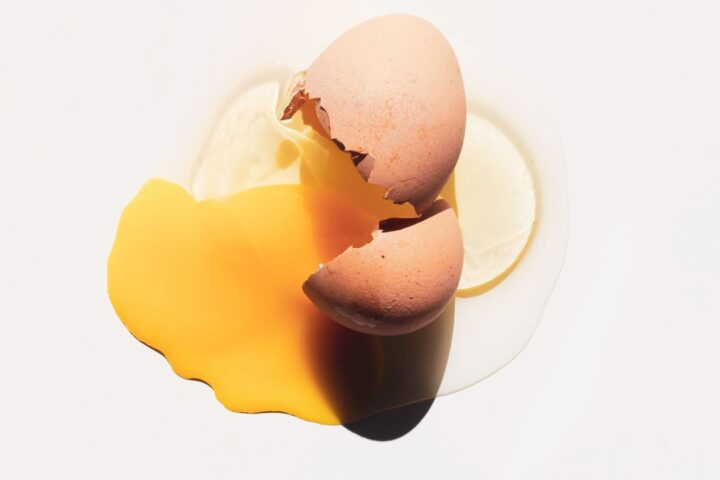
Of course, I’m not alone—many people don’t eat enough protein, skipping it in their first, second, or even third meal of the day. Today, however, we are more aware of the fact that getting enough protein is not only necessary, but also critical for women as they age. Eating in the morning is also particularly important. Research shows that consuming at least 30 grams (g) of protein at breakfast can prevent fatigue and cravings between meals. “Eggs, Greek yogurt, or rich protein sources like salmon, mackerel, and tuna can help control appetite throughout the day while supporting a faster metabolism, reducing inflammation, and improving cognitive function,” explains Anastasiia Kaliga, a nutritionist and biologist at holistic health app Luvly.
What are some signs that you’re not eating enough protein?
When I finally realized that I wasn’t getting enough protein for my body to function properly, it was because my menstrual cycle was becoming irregular. (It turns out protein is important for hormones, too.)
Experts say missing your period is just one sign that you might not be eating enough protein. Other symptoms? Swelling of hands and feet, frequent illness, depression, or slow healing of wounds. Below, nutritionists share some other signs that you might not be eating enough protein.
fatigue
“In extreme cases, you may feel tired and lack energy,” explains nutritionist Mariana Pérez-Trejo Soltwedel. “After all, eating a balanced diet that includes protein is key to maintaining immune system function and regulating hormones.”
That’s because “undernutrition may lead to weight loss, while nutrient deficiencies may lead to a ‘lack of energy’ leading to fatigue,” says a 2020 scientific review that identified nutritional status as a mediating factor in fatigue. “When protein and energy intake cannot meet an individual’s needs, body stores are catabolized to provide energy, resulting in the depletion of body fat and muscle, resulting in symptoms such as fatigue or tiredness.”
Another study looking at the relationship between fatigue and protein found that “higher protein intake was independently associated with a lower risk of moderate and severe fatigue.”
muscle mass loss
“Protein is important for joints, muscle recovery and muscle building. It also helps you maintain muscle mass in the long term,” explains Pérez-Trejo Soltwedel. “This is especially important if you perform strenuous exercise—there’s no point in doing anabolic or strength training without feeding your muscles.”
For this reason, eating enough protein can also help you get better results from your workout. “If you don’t eat enough protein, you could exercise for hours and not notice changes in your body or even gain muscle mass,” says Pérez-Trejo Soltwedel. What if you don’t exercise regularly? “This is worse,” she said. “You won’t be able to maintain your existing muscle mass.”