The Tamesis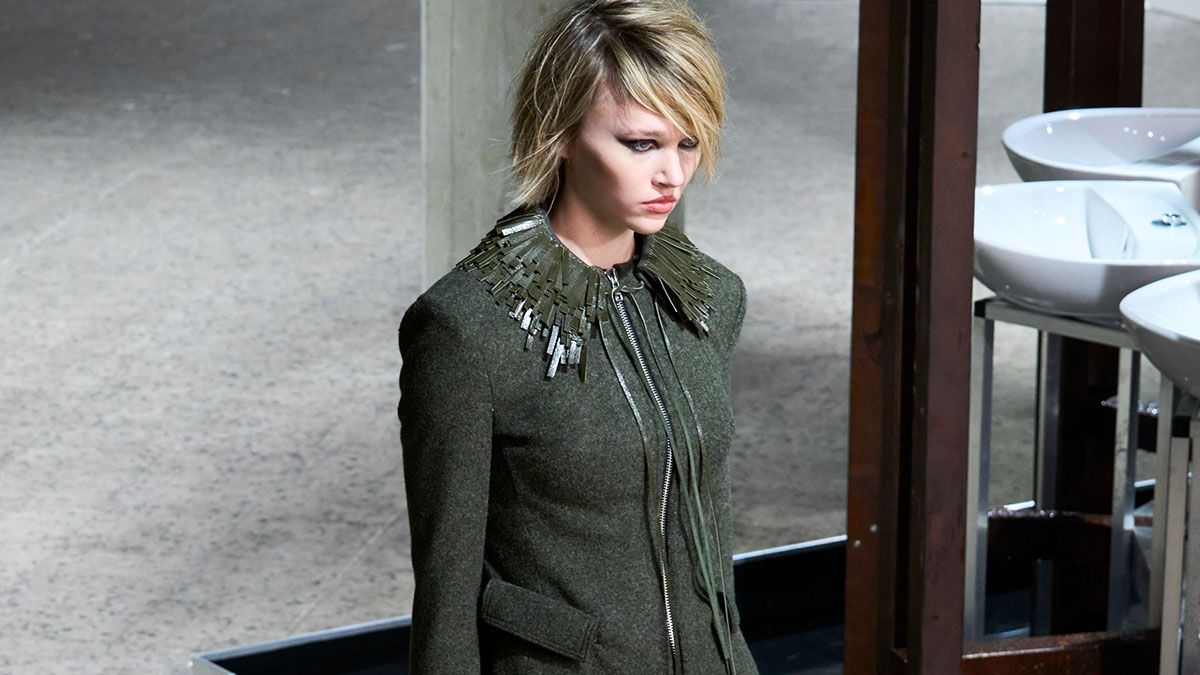
Berlin Fashion Week (BFW) seems destined to go to extremes. July is the hottest week of the year, but this season comes with a bitter cold, with temperatures dropping to -10°C. Guests in platform heels and fur coats glided between performances, navigating the ice and snow with varying degrees of grace, but spirits were high and the front rows remained packed.
“For me it is very important to understand the development of designers season by season,” said Christiane Arp, president of the German Fashion Association, which organizes the week. “I judge [the growth] By looking at people who come here from industries where they haven’t been before and keep coming back. Scott Lipinski, CEO of the German Fashion Council, added: “Berlin’s appeal is growing and growing season by season.”
Arp said the purpose of BFW is to provide discovery and new ideas on the international fashion stage. “There are things in our system, in our political situation and in the industry as a whole that are not working,” she said. “Fashion is a language that everyone understands and being a part of something positive is so important in the times we live in.”
Here are five takeaways from the BFW Fall/Winter 2026 collection.
BFW gets more international attention
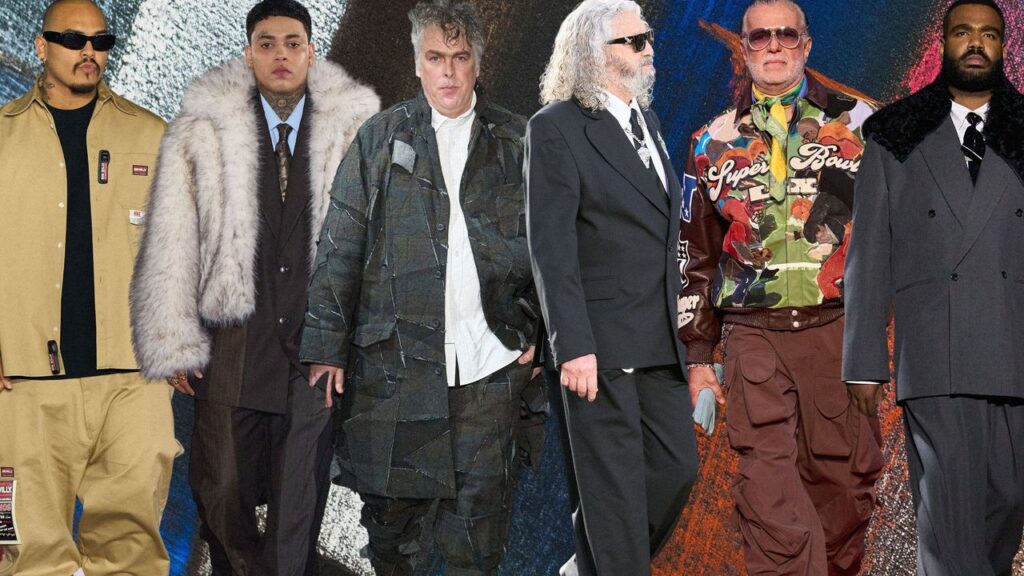
BFW is consolidating its international presence this season, primarily through Reference Studios’ Intervention presentation, inviting globally recognized brands to present on planned schedules. The program has enriched the BFW calendar since its launch in February 2024 and helps reposition Berlin as an international fashion platform rather than a local showcase. New arrivals this season include Japanese brand John Lawrence Sullivan, Nigerian designer Kenneth Ize, and skateboard-inspired streetwear brand Dagger, founded by Berlin-based Northern Irish designer Luke Rainey.
Men’s clothing brand GmbH continues to exhibit at Intervention as scheduled, attracting international fashion audiences, and Ugandan brand Buzigahill returns to Intervention for the second time after its debut last season. Now in its fifth season, Reference Studios CEO Mumi Haiati hopes the platform can continue to showcase some consistent brands season after season while leaving room for something new.
“I think [BFW] Haiati said, stressing that it has become easier to leverage brands as a platform for incubation and showcase of their talent. For Haiati, the best outcome would be for big German companies (like Hugo Boss, Adidas, Puma and Bopla) to invest in BFW in some way (just as we’ve seen major brands invest in fashion councils in Paris and Milan). “I’m happy to see some big companies supporting the city and creating a halo effect.”
Brands pursue business growth
Since last season, many of BFW’s mainstream brands have expanded commercially through a combination of retail, wholesale and new market entry. Haderlump and Richert Beil have opened stores in Berlin respectively, and SF1OG, launched in 2019, currently expects sales to increase by nearly 50% in autumn and winter 2026, with wholesale in the Asian market (accounting for 40% of sales) growing steadily.
To support this momentum, the Fashion Council organized a trip to South Korea and Japan late last year to bring designers into contact with local buyers and media. “We try to expose them to the right buyers in the market for these brands,” Lipinski said. “You can only build these relationships based on trust, it’s not like pushing a button and making a sale,” Arp added. Later this year, the Fashion Council plans to open a showroom in Paris.
Marke founder and creative director Mario Keine thought the trip to Japan was worthwhile, even though it took place outside of the normal ordering cycle. “This trip requires a huge investment,” Kane said. “But I think it’s worth it, especially to build trust and connection with Japanese buyers because they like to see the brand two or three times before buying.”