The Tamesis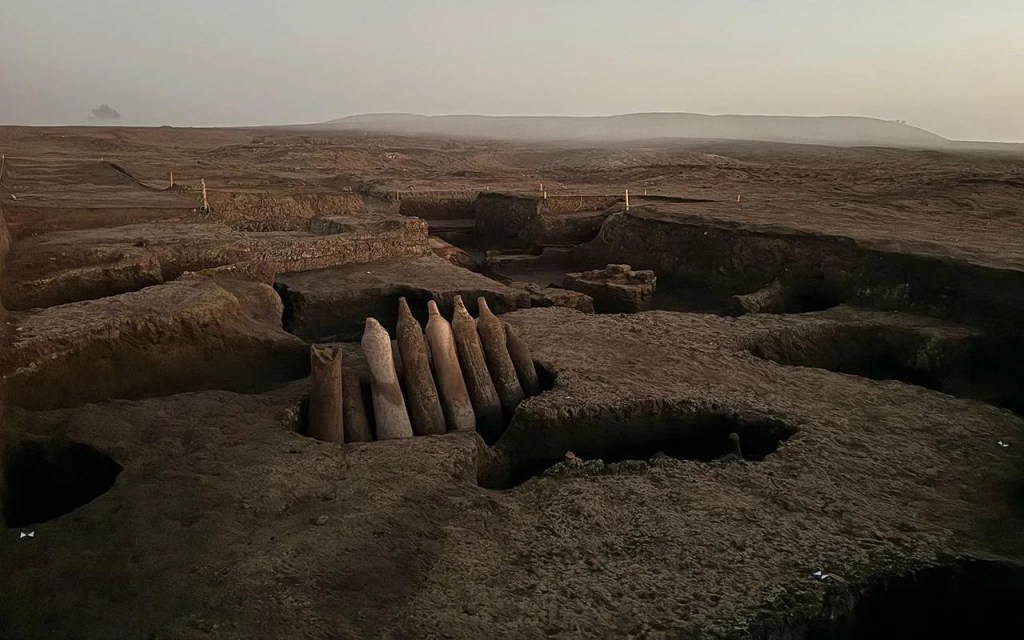
Archaeologists working in Egypt’s western Nile Delta have discovered the remains of a “massive industrial complex” dating back to the fifth century BC, as well as Roman cemeteries, suggesting the area was fertile ground for Mediterranean civilization and exchange.
It is reported Archeology NewsThe results of the study carried out by the Egyptian-Italian team of the Supreme Council of Antiquities and the University of Padua at the sites of Kom al-Ahmar and Kom Wasit in the province of Beheira “underscore the importance of the western delta as a center of production, trade and settlement, linked to the Mediterranean world and the ancient Alexandrian hinterland.”
Related articles

The industrial complex consisted of six rooms, two of which were used for the production of easily traded salted fish (as evidenced by the 9,700 fish bones found), and the others for the manufacture of metal and stone tools as well as ceramic amulets. Additionally, imported amphora and fragments of Greek pottery used to store wine indicate “strong cultural and commercial ties between Egypt and the Greek world.” Archeology News.
Evidence of “simple underground burials, ceramic coffin burials, and the burial of children within large amphora” in Roman-period cemeteries discovered nearby suggests further insights into the funerary traditions and social structure of the region. According to a bioarchaeological analysis of the remains of 23 men, women, children and teenagers, “the people buried at this site lived in relatively good conditions, with no signs of major disease or violence.”